
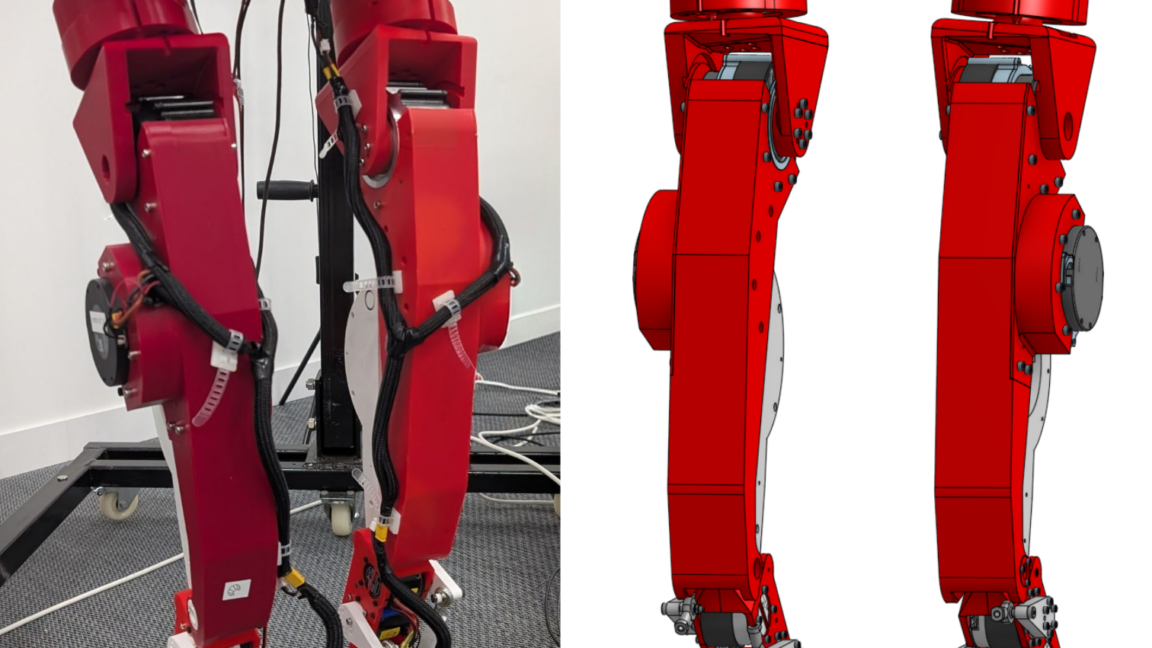
3D-printable humanoid legs let robotics experiments run wild
Robotics researchers are seeing a major shift as affordable, 3D printed humanoid legs become available for broader experimentation. The Ars Technica coverage highlights a recent push by a developer community to lower the barrier to entry for bipedal robotics in labs and maker spaces. The $2,500 price point positions these parts as a potential gateway to rapid prototyping, allowing teams to iterate faster on locomotion, balance, and control pipelines that were once the preserve of well-funded labs.
From an AI perspective, affordable hardware accelerates the cycle between simulation and real-world deployment, enabling more robust embodied AI systems that must reason about forces, contact, and uncertainty. But there are caveats. Open hardware raises questions about safety standards, liability, and reproducibility. As researchers widen access, the ecosystem will demand better documentation, standardized interfaces, and careful attention to compatibility across sensors and actuators. This development also nudges the debate about data collection for physical AI: as more teams operate real-world testbeds, the diversity and quality of training signals will improve, but so will the risk surface for hardware-level failures and safety concerns. The coming months will reveal how the community handles governance, licensing, and risk-sharing as affordable robotics accelerates the field.
Key takeaway: the barrier to entry for embodied AI is dropping, and the next wave of agents will be trained in the real world just as much as in the simulator, provided the community coalesces around safety, interoperability, and responsible development.
- Open robotics hardware
- Embodied AI training
- Safety and liability