
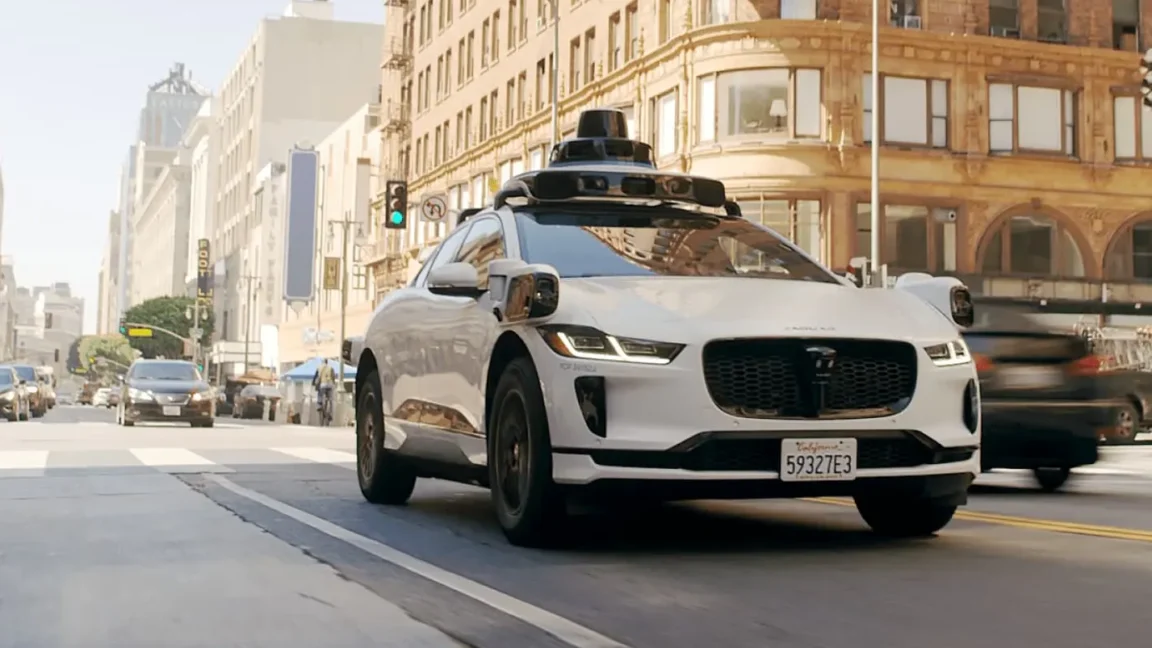
Policy and urban impact of AV charging
The ruling against Waymo in Santa Monica highlights how policy and urban quality-of-life concerns intersect with the deployment of autonomous vehicle fleets. While the safety and efficiency benefits of autonomous driving are well publicized, neighborhoods seeking quieter nights and predictable infrastructure enforcement push back against aggressive charging schedules. The decision demonstrates the importance of balancing mobility innovation with community well-being and regulatory clarity. It also speaks to the need for better mitigation strategies—sound-dampening measures, quieter charging tech, and scheduling controls—to maintain operations without triggering local opposition.
For operators, the ruling emphasizes the necessity of proactive stakeholder engagement, transparent noise metrics, and compliance-ready operating envelopes. It also reinforces that the regulatory environment remains dynamic, requiring fleet operators to maintain flexible, auditable approaches to scheduling, charging patterns, and route planning to avoid costly disruptions while preserving the benefits of automated mobility.
Tags: policy, mobility, autonomous-vehicles, local-government