
Overview
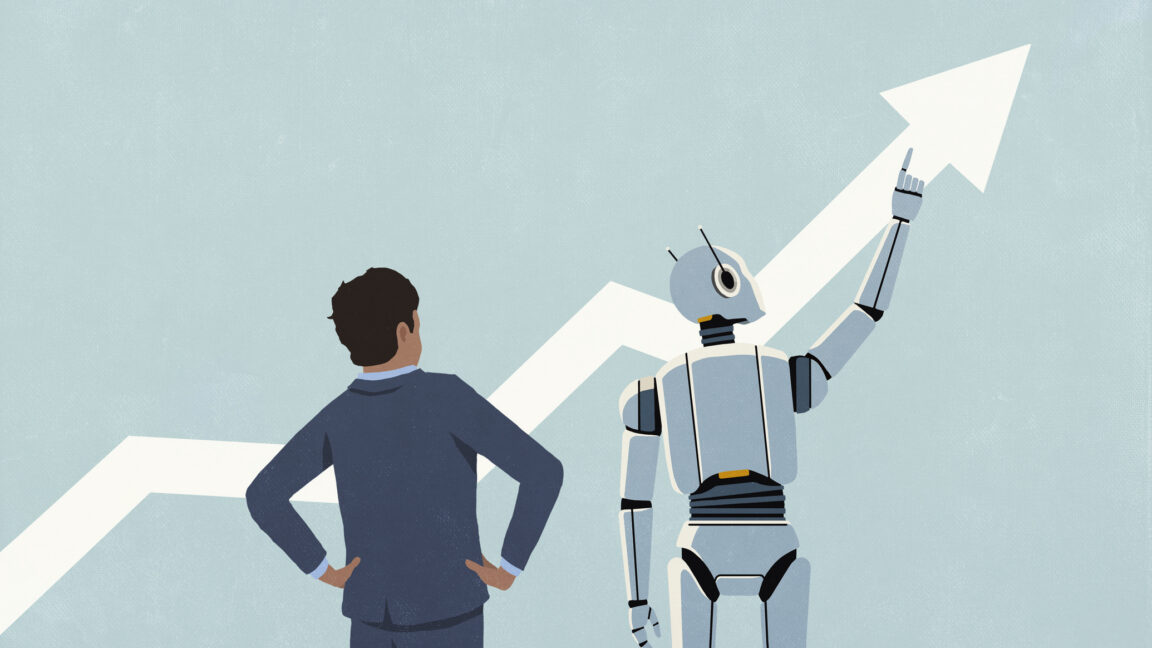
Ars Technica’s report on Stanford’s study reveals a sobering trend: early-career workers face disproportionate impact as AI tools mature. While automation promises productivity, it also raises workforce planning, education, and reskilling considerations for the next decade.
From an industry lens, this accelerates the case for human-AI collaboration models that emphasize upskilling, safe automation practices, and clear delineations of tasks suited to machines versus those still requiring human judgment. For policy makers, the study underscores the need for training programs and wage-support policies that cushion transitions for workers at the start of their careers.
For AI builders, the takeaway is a reminder to design with inclusivity and accessibility in mind, ensuring that tools deliver practical value and do not disproportionately disadvantage those entering the workforce. The social dimensions of AI adoption—economic displacement, retraining, and new job creation—will require coordinated public-private strategies to maximize net benefits.
Key takeaway: The AI era demands deliberate workforce transition programs and responsible design choices that enhance opportunities for new entrants while maintaining productivity gains for incumbents.