
Overview
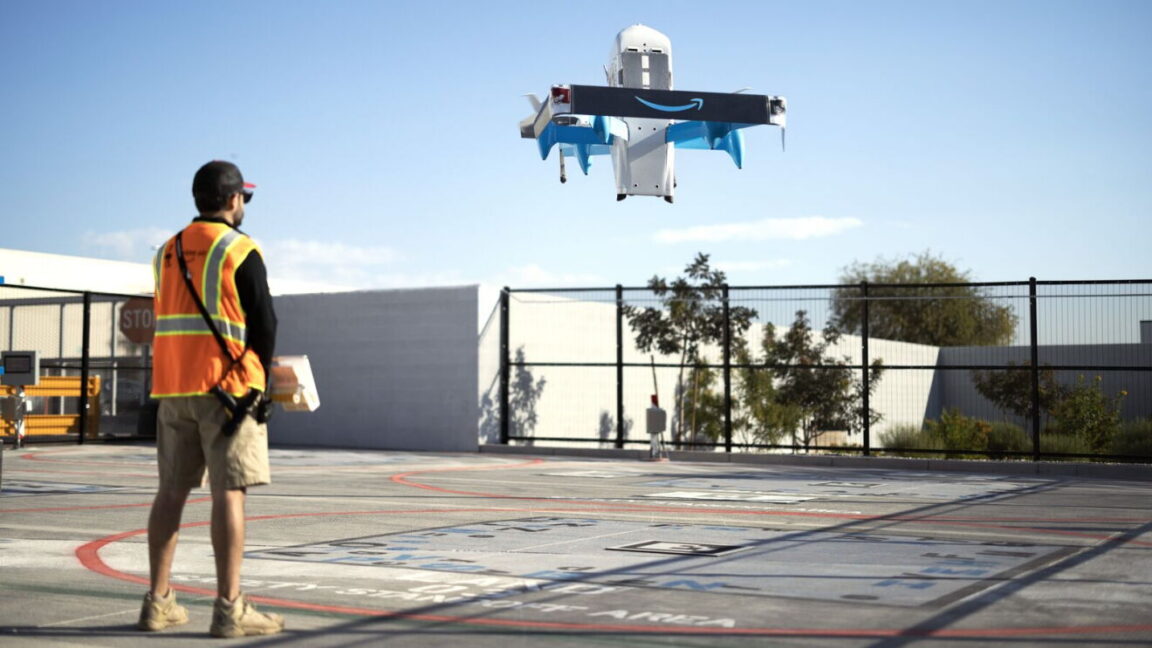
Drone delivery remains a focal point for AI-enabled logistics. Amazon’s plan to extend drone coverage to 500 US neighborhoods by year-end signals a push to operationalize autonomous flight, route optimization, and real-time fleet management at scale. The narrative intersects with regulatory developments, battery and aviation safety considerations, and the broader AI-driven transformation of last-mile logistics.
For operators, the expansion could shorten delivery times, improve forecast accuracy, and reduce human labor costs. For regulators, scaled drone operations demand stringent safety and privacy standards, as well as clear guidelines for airspace integration. The deployment also raises questions about local incentives, environmental impact, and the reliability of autonomous systems in varied weather conditions.
In practice, success hinges on robust perception systems, secure communications, and resilient contingency planning. The evolving ecosystem will likely feature tighter collaborations with municipal authorities, improved geofencing capabilities, and more sophisticated route-planning algorithms that adapt to urban density and traffic patterns. The strategic takeaway is that AI-powered logistics is entering a new phase of scale, with safety and governance as the linchpins of long-term adoption.