
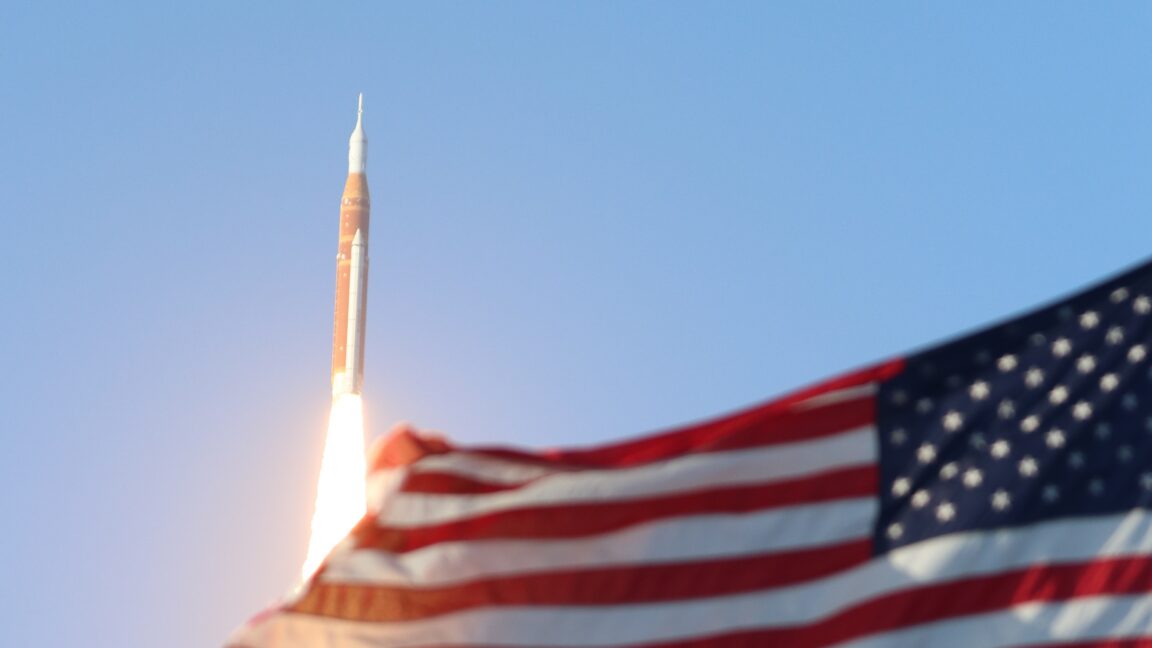
Artemis II, NASA's boldest mission in generations
The Artemis II launch represents a high-water mark for collaboration between space science, AI-enabled systems, and mission operations. While not an AI-specific piece, the mission’s success underscores the vital role of advanced data analytics, simulation, and autonomous decision-support in modern space programs. AI-driven models help optimize trajectory planning, risk assessment, and real-time decision support in the high-stakes environment of crewed spaceflight. The broader implication for the AI community is a reminder that AI-enabled tools increasingly permeate even the most stringent, safety-critical domains where precision, reliability, and resilience are paramount.
For technologists and organizations outside space exploration, Artemis II serves as a case study in how advanced AI and machine learning coexist with human judgment at scale. It highlights the importance of rigorous verification, interpretability of autonomous systems, and the embedding of safety protocols into mission-critical software. As AI capabilities mature, the Artemis program illustrates how such technologies can enable new frontiers in science and engineering while demonstrating resilience under extreme conditions.