
Overview
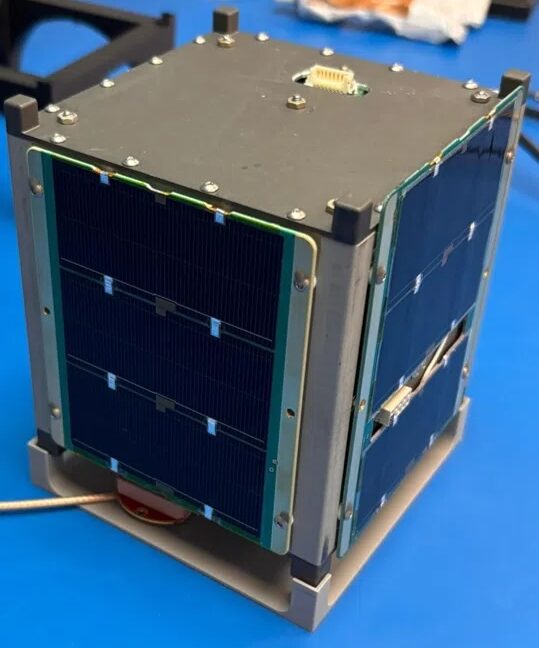
The Space domain continues to press into AI driven autonomy as City Labs showcases a novel approach to nuclear power for spacecraft. The project emphasizes a pathfinding framework that integrates AI planning, energy management, and propulsion coordination to enable enduring power in space missions. While this is early stage, the potential implications for space exploration and satellite service resilience are compelling.
From a technology angle, the concept relies on AI guided energy allocation, real time optimization, and fault tolerant control loops to maximize mission duration and safety. The challenge lies in ensuring the reliability of such complex systems under extreme space conditions, with rigorous verification, simulation, and testing as essential pre requisites for any future deployment. There is also a policy dimension regarding safety, regulatory oversight, and the proper handling of nuclear materials and power systems in the space environment. Stakeholders will want to see robust independent reviews and transparent risk assessments before wide scale adoption.
Strategically, this development could accelerate the adoption of AI in space operations, enabling more ambitious missions and better resilience to radiation and other operational hazards. It also invites cross sector collaboration between AI, energy, and aerospace to unlock new capabilities, albeit with the need for careful governance to avoid unrealistic expectations while pursuing real world capabilities. The trajectory is ambitious, but the potential payoff in reliable space power is significant if the field navigates technical and regulatory hurdles effectively.