
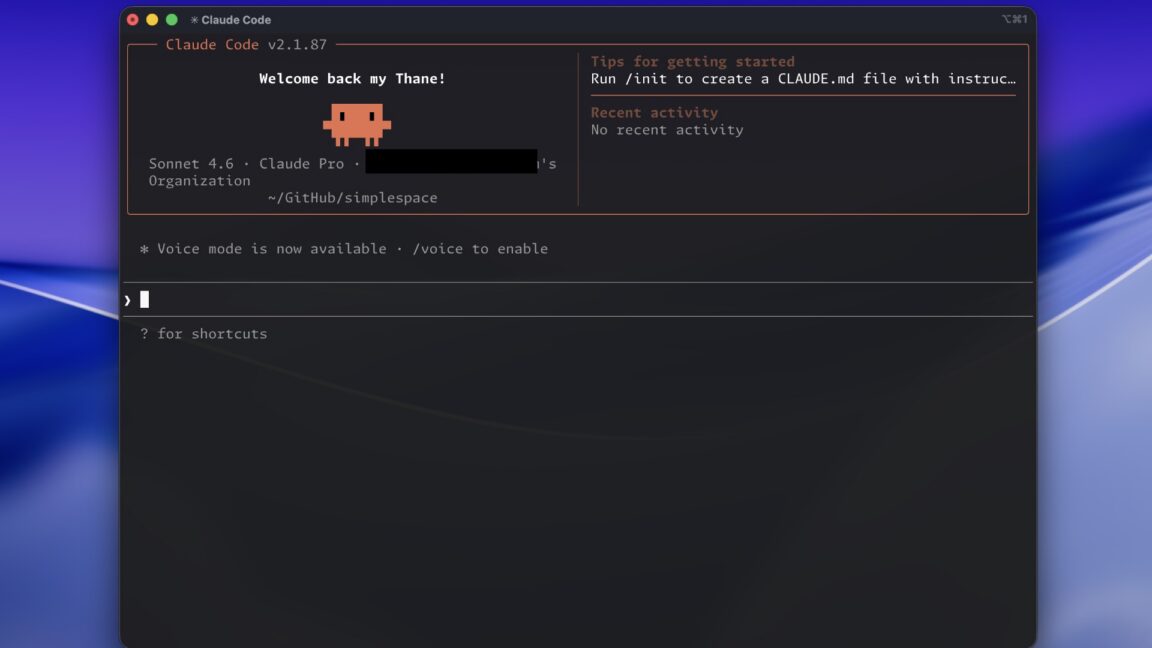
Claude Code CLI leak intensifies security alarms around AI tooling
Open-source clubbings of Claude Code’s CLI surface reveal disciplined code exposure across tooling interfaces. The leak not only highlights the risk of sensitive logic becoming public but also the potential for misused tooling to be repurposed in adversarial ways. Enterprises relying on Claude Code for automation and agent orchestration may feel compelled to implement stronger sandboxing, stricter PR reviews, and layered authentication for command-line interfaces that interact with agents in production settings.
From a risk-management lens, CLI exposure invites rapid threat modeling around configuration drift, secret leakage, and dependency hazards. It also triggers a broader industry conversation about how to balance openness and collaboration with safeguarding critical paths in production AI. In the meantime, developers should scrutinize their build pipelines for hard-coded keys, rotate credentials, and enforce least-privilege access across all CLI surfaces. The Claude Code ecosystem remains a powerful platform—just one that needs tighter controls as the codebase scales and becomes a more tempting target for bad actors.
In practice, teams will likely adopt more formal code-sharing policies, enhanced automated scanning for sensitive tokens, and more frequent security reviews that map to the agent lifecycle—from development to deployment and ongoing governance. The Claude Code CLI leak is a cautionary tale about the security realities of rapid AI tooling expansion: speed must be matched with discipline.
Keywords: Claude Code CLI, code leakage, CLI security, threat modeling, developer tooling