
Clarifying a Common Confusion
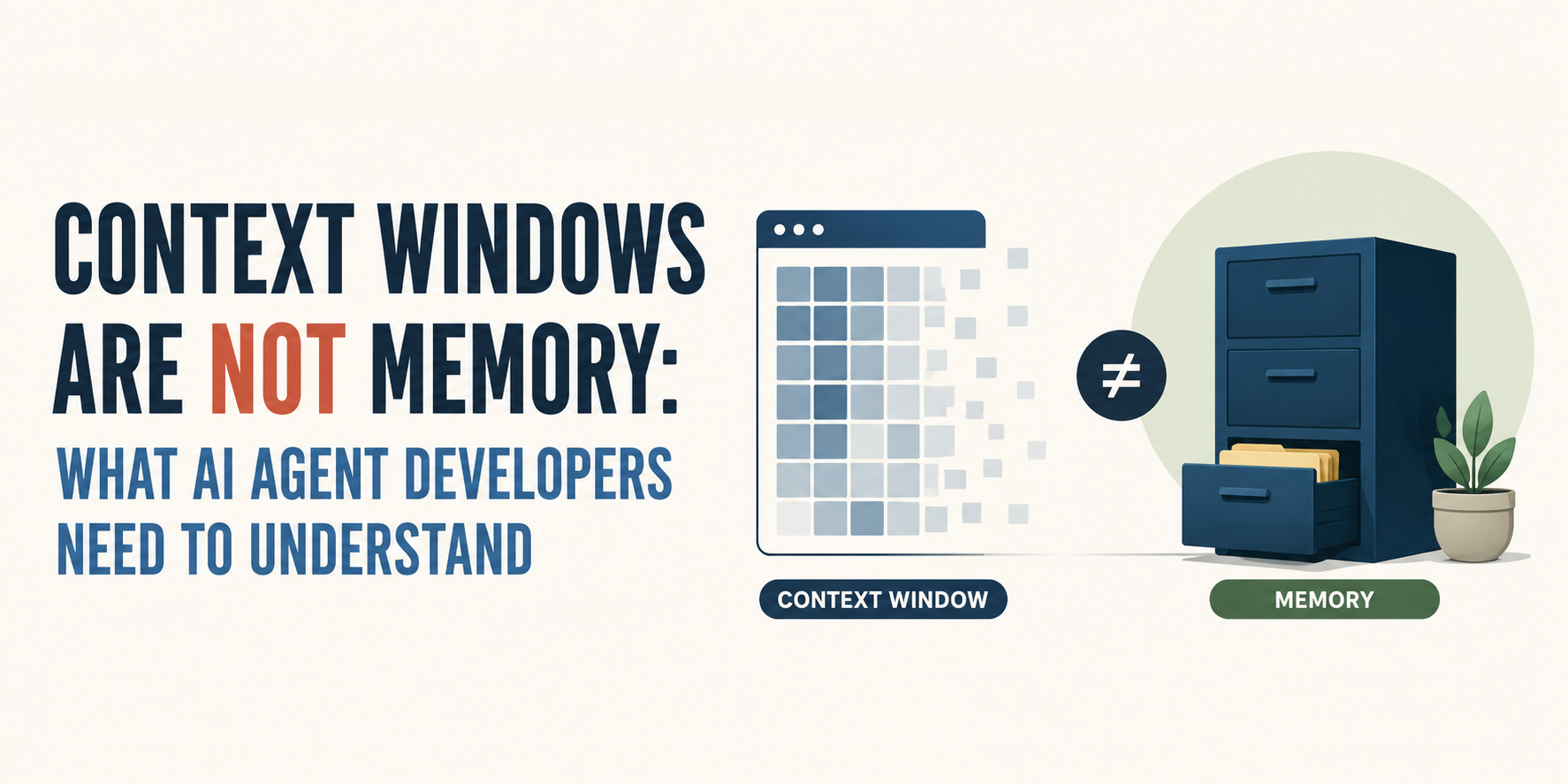
The Machine Learning Mastery piece tackles a critical misconception around context windows and agent memory. While modern agents rely on large context, persistent task memory requires additional mechanisms, such as retrieval-based memory, memory graphs, and long-term knowledge stores. The article argues that context length alone does not guarantee memory or learning persistence, and it outlines architectural patterns to separate short-term context from durable memory. For practitioners, this distinction translates into design decisions around data indexing, caching strategies, and how to handle stale information during multi-turn interactions.
From a practical standpoint, the article illuminates the importance of retrieval-augmented generation, vector stores, and intelligent memory management in agent design. It also points to potential pitfalls — such as over-reliance on cached information and the risk of stale or biased memory. The guidance is especially relevant to teams building AI agents that operate in dynamic environments, where real-time data retrieval and context preservation are essential for coherent behavior over long conversations or tasks.
Implications for the industry include better tooling for memory management, standardized patterns for memory pruning and refresh, and clear evaluation benchmarks that test an agent’s ability to recall important facts over time. The article ultimately nudges developers toward a more nuanced architecture that treats memory as an independent subsystem rather than a byproduct of large context windows. In a field where agents increasingly handle complex, ongoing tasks, memory design will be as important as model capabilities themselves.
Bottom line: context windows are necessary but not sufficient for durable AI agent memory; robust memory architectures enable persistent, reliable agent behavior as tasks scale in complexity and duration.