
Overview
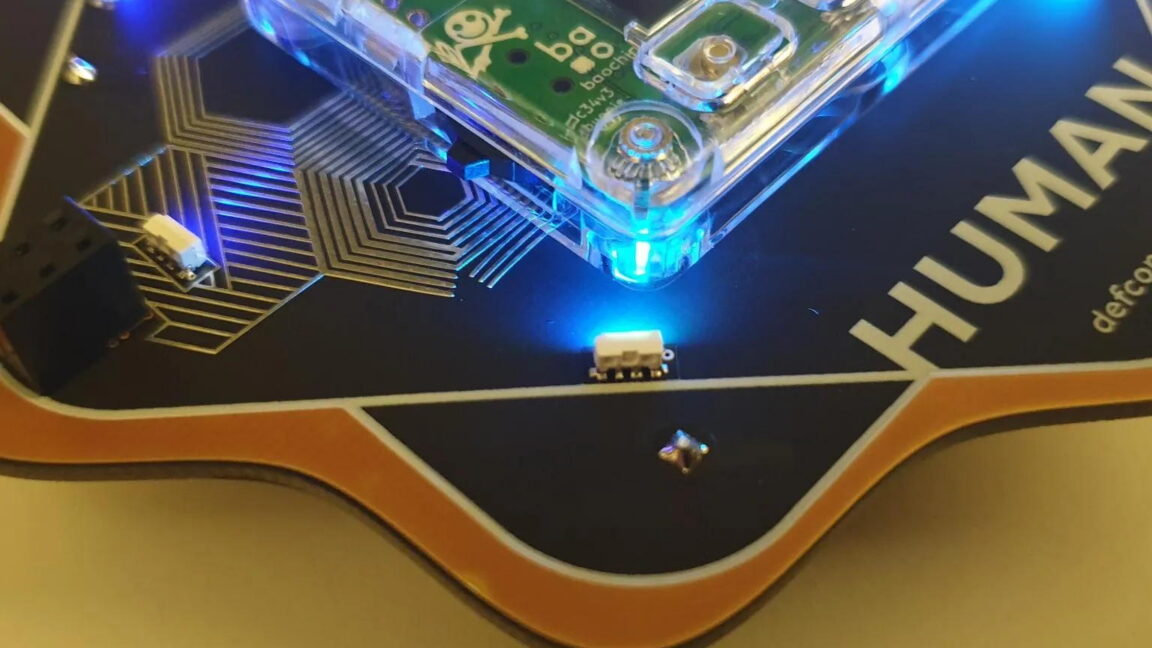
Ars Technica reports that Defcon's 2026 badge features a visible, removable chip that attendees can inspect. The design choice marks a shift toward hardware transparency, inviting curious researchers and security professionals to examine the components that power a credential used within the conference ecosystem.
The hardware in plain sight
The badge is described as a security key you can see inside. The inclusion of a removable chip means participants and security researchers can physically examine components that are typically sealed away. By making the internals accessible, Defcon appears to be signaling a willingness to subject its own security hardware to open scrutiny rather than hiding it behind a fixed shell. This approach can foster trust for some, while inviting careful examination for potential weaknesses from others.
Removable chip and post-Defcon use
According to the report, hackers can inspect their badge and continue to use it after Defcon. This implies ongoing functionality beyond the event, transforming the badge from a disposable giveaway into a working security credential that retains value after attendees leave. The long‑term viability of such a credential, however, depends on how keys are managed, updated, or revoked when the context of use shifts from a single event to broader, ongoing deployment.
RRAM and chipmaking hints
Categories associated with the story include RRAM and chipmaking, hinting at the possible technologies used in the badge's memory and fabrication. While the article does not provide engineering details, the association with RRAM points to a memory technology that can retain data without power. If cryptographic keys or event credentials are stored in this memory, the physical accessibility of the chip raises questions about key protection, secure storage, and the potential for offline analysis by those who disassemble the device.
Security implications
The design raises questions about hardware security, tamper resistance, and how keys are generated and stored. A visible component can be physically probed, yet the ability to reuse the badge after Defcon may be a strength if managed correctly, or a risk if keys can be cloned or extracted. Observers will be watching how Defcon handles key distribution, revocation, and future badge designs. In essence, the badge embodies a balancing act between openness for inspection and the need to protect credential integrity in practice.
Takeaway
The Defcon badge experiment underscores a broader trend: security artifacts that can be audited in the open can boost trust when managed with care, but they also invite careful scrutiny to ensure that openness does not introduce new attack vectors. For attendees and researchers, the badge becomes both a collectible and a real world security device, bridging the line between hardware hobbyist curiosity and credentialing technology. If the approach proves durable and auditable, it may influence how future security badges are designed and evaluated in live environments.
Key takeaways for readers
- Visible hardware signals a commitment to transparency and invites hands-on examination.
- Removability supports independent study while preserving post‑event usability.
- The mention of RRAM hints at cryptographic storage considerations and non-volatile memory choices.
- Open design raises both opportunities for trust and questions about key protection and revocation in ongoing use.