
Background of the case
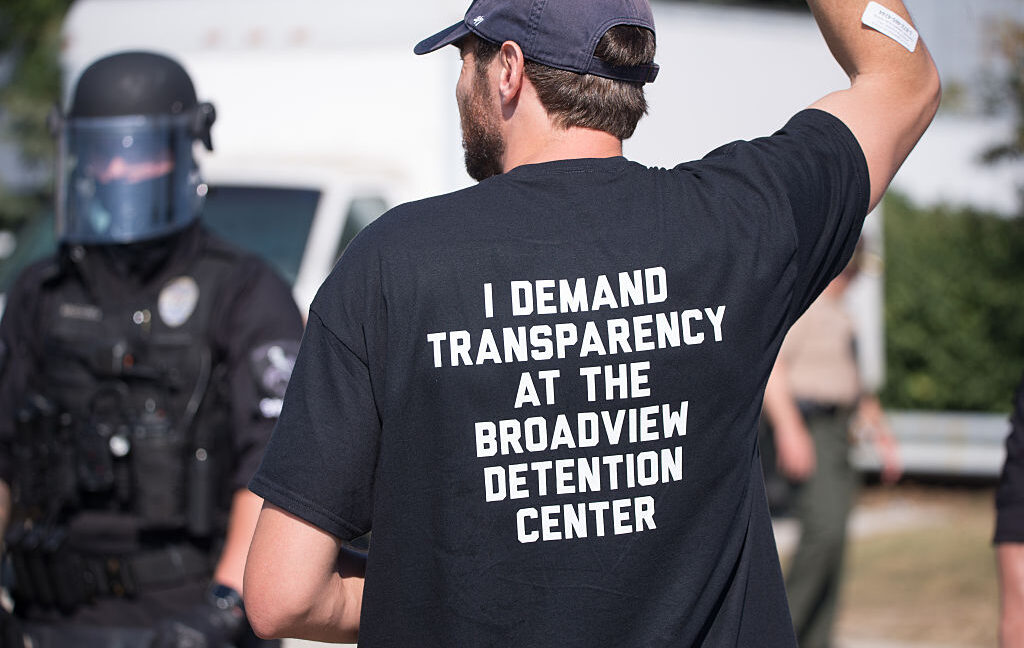
The filing at the heart of this dispute accuses the U.S. Department of Homeland Security of plugging a DNA database into the ICE surveillance machine, a move the plaintiffs say would extend government data collection well beyond its current scope. The suit is brought by protesters who argue that such an expansive DNA program could chill dissent and criticism of immigration enforcement policy. They are seeking to stop the DHS from taking or using DNA samples in a way that would feed into ICE’s enforcement apparatus.
In plain terms, the complaint contends that the department is moving toward linking DNA data with immigration enforcement workflows in a manner that would allow researchers, law enforcement, or policy-makers to monitor and potentially react to views and actions that critique ICE policy. The allegations center on the concept and consequences of a data linkage that extends beyond traditional forensic use and into the realm of political or policy dissent.
What the lawsuit claims
The core claim is that DHS actions would amount to creating a vast DNA registry and then integrating it with ICE surveillance capabilities. The protesters contend that this integration would meaningfully expand government reach, touching on civil liberties and privacy rights. They argue that the government’s collection and cross-referencing of genetic material could be used to identify, monitor, or retaliate against individuals who publicly oppose or critique immigration enforcement strategies. The complaint frames the issue as a fundamental check on government power aimed at preventing overly broad data collection from chilling free expression and assembly.
Why this matters for privacy and civil liberties
Privacy advocates and civil liberties observers often warn that DNA data is uniquely sensitive, capable of revealing familial links, health information, and other deeply personal details. By tying such data to enforcement programs, the lawsuit emphasizes the risk of discriminatory targeting and the potential for misuse of genetic information in ways that extend beyond traditional crime-fighting or border control functions. The filing suggests that the scale and purpose of a DNA-linked surveillance system could prompt a rethinking of safeguards, oversight, and transparency in how DNA samples are collected, stored, and accessed by government agencies.
What happens next
Legal proceedings in cases like this hinge on how the court weighs national security and enforcement needs against privacy and civil liberties protections. The suit signals that the plaintiffs intend to press for remedies that would prevent DHS from continuing or expanding any plan to connect DNA data with ICE operations without adequate checks. Observers will watch for motions, potential settlements, or courtroom rulings that could shape how data intersects with immigration enforcement in the months to come. The outcome could influence not only the specific policy under dispute but broader debates about government data strategy and the appropriate boundaries of surveillance.
Takeaway for readers
The case underscores a central tension in modern governance: using advanced data systems to enforce policy while safeguarding fundamental rights. As DHS and ICE-related issues remain high-profile, the lawsuit adds another layer to the ongoing conversation about how and when genetic information should be collected, stored, and linked to enforcement activities.