
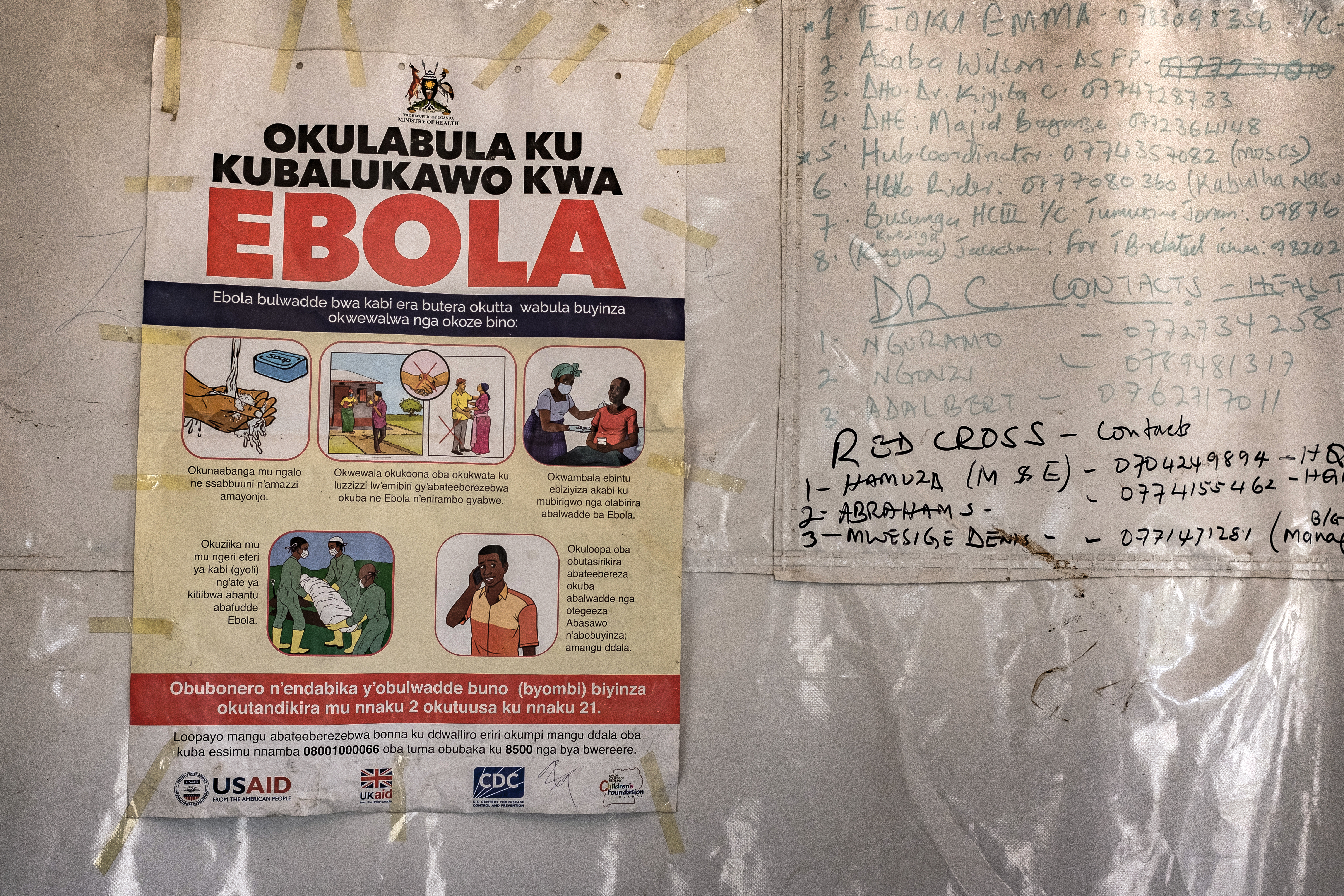
Overview of the current outbreak developments
Ars Technica reports a series of moves as the Ebola outbreak escalates. The World Health Organization has declared an emergency, and the United States has imposed travel restrictions, complicating international movement and trade while public health systems respond.
What the article from Ars Technica notes
The piece describes that an American is infected, along with six others, and that authorities are moving them to Germany to receive care. The U.S. CDC is coordinating the transfer to Germany, aligning with other international health partners. The report situates these events within a broader outbreak affecting the Democratic Republic of the Congo, South Sudan, and Uganda.
- WHO declaration of an emergency signals heightened global concern and triggers a coordinated international response.
- US travel restrictions add complexity to cross-border health measures during outbreak management.
- An infected American and six others are being relocated to Germany for treatment, demonstrating cross-border medical cooperation.
- CDC involvement underscores the role of national public health agencies in crisis response and patient triage.
Emerging role of AI in outbreak response
In coverage of public health crises, AI and data science tools are increasingly central to analysis, modeling, and logistics, even as events unfold in real time. While Ars Technica focuses on the immediate facts, the broader AI community notes several potential benefits in situations like this one:
- Data synthesis and modeling: AI can integrate case reports, travel patterns, and resource availability to forecast outbreak dynamics and identify hotspots, informing where to allocate testing and care capacity.
- Travel and border risk assessment: Real-time risk scoring can help authorities balance public health protection with legitimate travel, by extrapolating patterns from evolving data streams.
- Resource planning and patient routing: AI-driven optimization can assist health systems in arranging patient transfers and coordinating capabilities across hospitals and international partners.
- Communication and transparency: Natural language processing can summarize updates for policymakers and the public, helping to counter misinformation during fast-moving crises.
In fast-moving health emergencies, data-driven tools are a key complement to on-the-ground response, notes analysts observing how AI-enabled workflows can accelerate decision-making without replacing human expertise.
What to monitor next
As the situation evolves, watchers will look for updates on the breadth of the emergency, the global travel policy stance, and how evacuation and treatment plans unfold. The involvement of Germany as a destination for care will likely shape future discussions about cross-border medical cooperation and the logistics of humane, rapid patient transfers.
Public health officials, clinicians, and researchers will be calling for enhanced data sharing, clearer risk communication, and scalable care options that can adapt to shifting outbreak patterns in the DRC, South Sudan, and Uganda, as well as neighboring regions.