
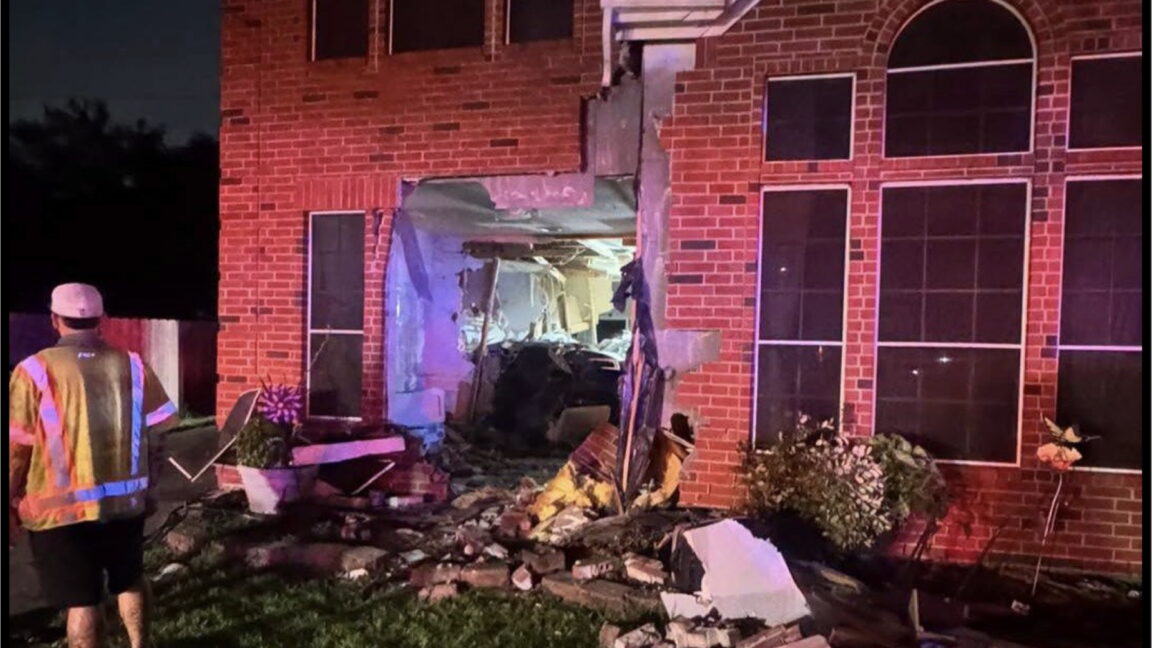
Autopilot Scrutiny: The Debate Over Responsibility and Safety
Tesla’s autopilot program remains under the spotlight after a fatal crash. The latest statements from Elon Musk and regulatory reviews emphasize ongoing questions about design flaws, driver interaction, and system limitations. This event highlights the tension between perceived automation benefits and real-world safety, reminding stakeholders that automated driving systems must be understood within the broader regulatory and ethical framework. The narrative around accountability—whether it’s the driver, the car, or the software—will shape how such technologies are deployed and perceived in the market.
For AI teams, the incident underscores the importance of transparent failure modes, rigorous testing, and robust safety-case documentation. It also underscores the value of post-hoc analysis, explainability, and incident reporting that can guide future improvements and boost public trust in autonomous systems. While the technical specifics of this crash aren’t fully disclosed, the broader takeaway is clear: safety and governance remain central to the responsible deployment of AI-enabled mobility.
As the industry advances, policymakers and manufacturers will increasingly demand standardized safety benchmarks, clearer labeling of autonomous features, and better user education around what automation can and cannot do. This coverage demonstrates how a single event can ripple through investor sentiment, regulatory posture, and consumer adoption in the autonomous tech landscape.
Tags: ai, autonomous-vehicles, safety, policy