
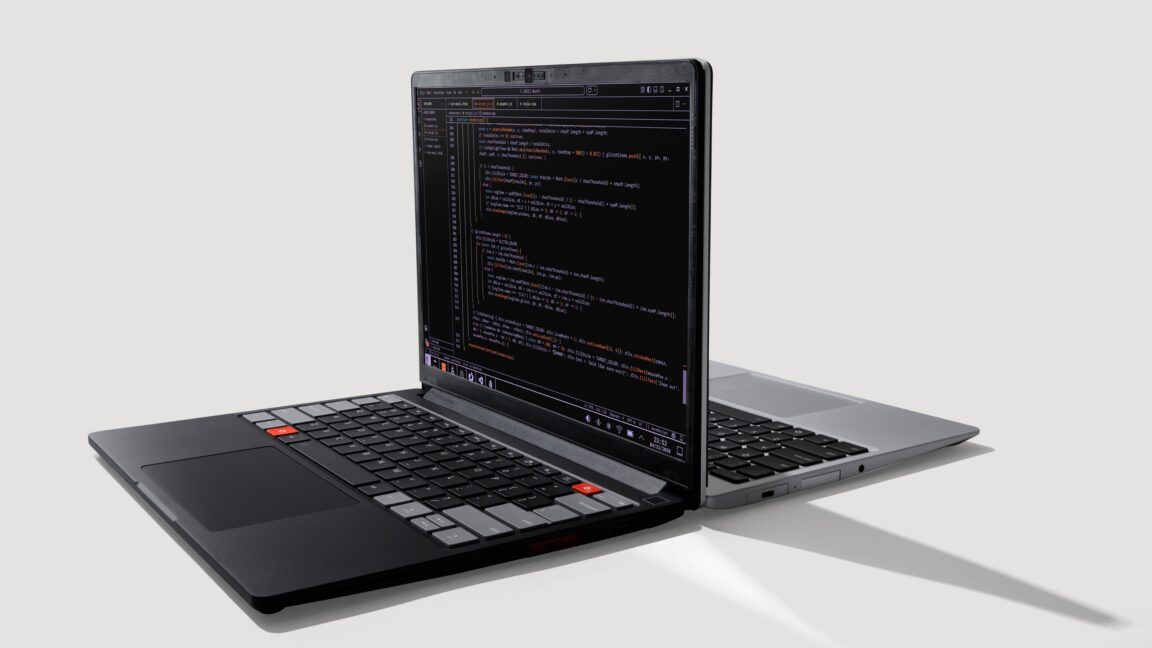
RAM, Linux, and AI-Ready Hardware
Ars Technica’s coverage of Framework’s RAM strategy reflects how hardware design decisions influence AI workloads. The interview with Framework’s CEO touches on the balance between performance, power efficiency, and upgradeability—key considerations for teams deploying edge or hybrid AI deployments that rely on high memory bandwidth and modular components. The article situates these hardware choices within a broader shift toward modular, upgradeable devices that can handle evolving AI models and data-intensive tasks.
From a product perspective, the piece suggests that AI teams will benefit from hardware ecosystems that can be reconfigured to accommodate larger models or specialized inference accelerators without full platform redesigns. The potential for Linux-centric devices to appeal to developers and researchers underscores the importance of openness, customization, and long-term maintainability in hardware decisions for AI workflows.
Practitioners should heed the message that hardware strategy is not merely a cost consideration but a strategic capability that can enable or constrain AI deployment at scale. Aligning hardware choices with AI workloads, software stacks, and data flows will be essential for sustaining performance gains and innovation over time.
Implications for practitioners: Plan hardware refreshes with AI workloads in mind; favor upgradeable systems to sustain long-term AI experimentation and deployment.