
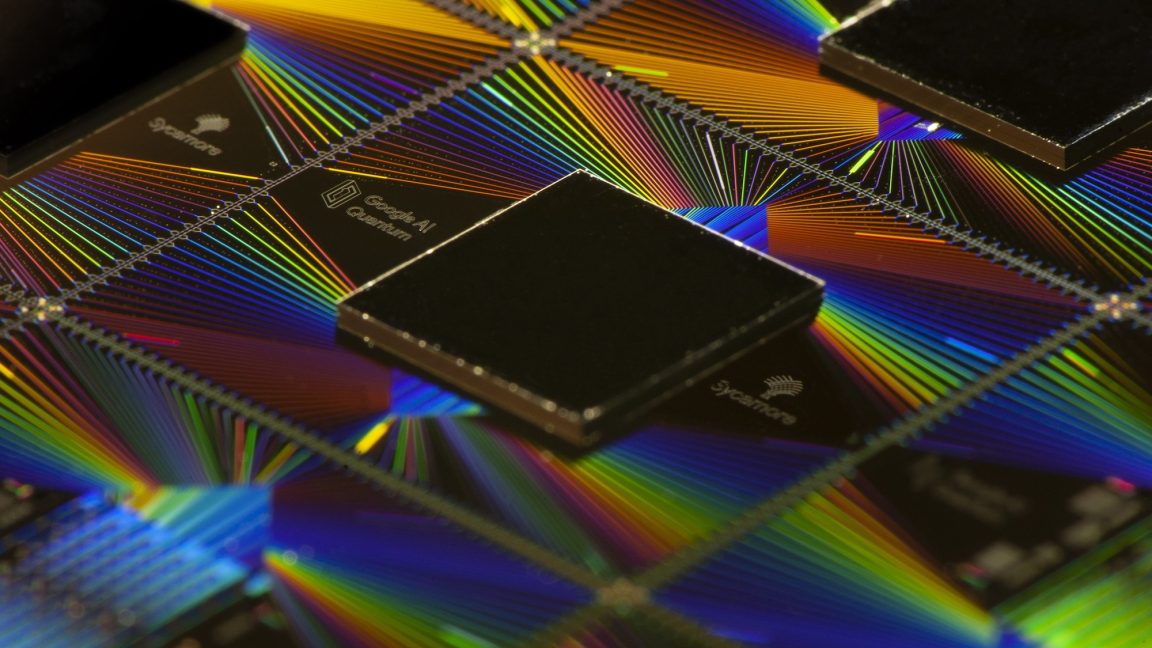
Dynamic calibration for quantum systems
Ars Technica highlights advances in quantum error correction that enable continuous recalibration of processors through reinforcement learning feedback. The result is a more resilient quantum system capable of adapting to drift and noise, which are the main obstacles to practical quantum computation. This is a technical achievement with potential implications for error rates, qubit stability, and computational fidelities—factors critical to building scalable quantum machines. The piece situates the work as part of a broader push to bring fault-tolerant quantum computing closer to reality, where AI-driven control loops play a central role in maintaining system performance in real-world environments.
For researchers and builders, the message is clear: as quantum hardware matures, paired AI control strategies will be essential for maintaining coherence and reliability. It also invites deeper consideration of how to integrate classical and quantum optimization methods in a way that leverages the strengths of both domains without amplifying risks. As with many frontier technologies, the practical takeaway is to pursue robust, auditable control policies and transition plans that can scale with hardware improvements and evolving error models.