
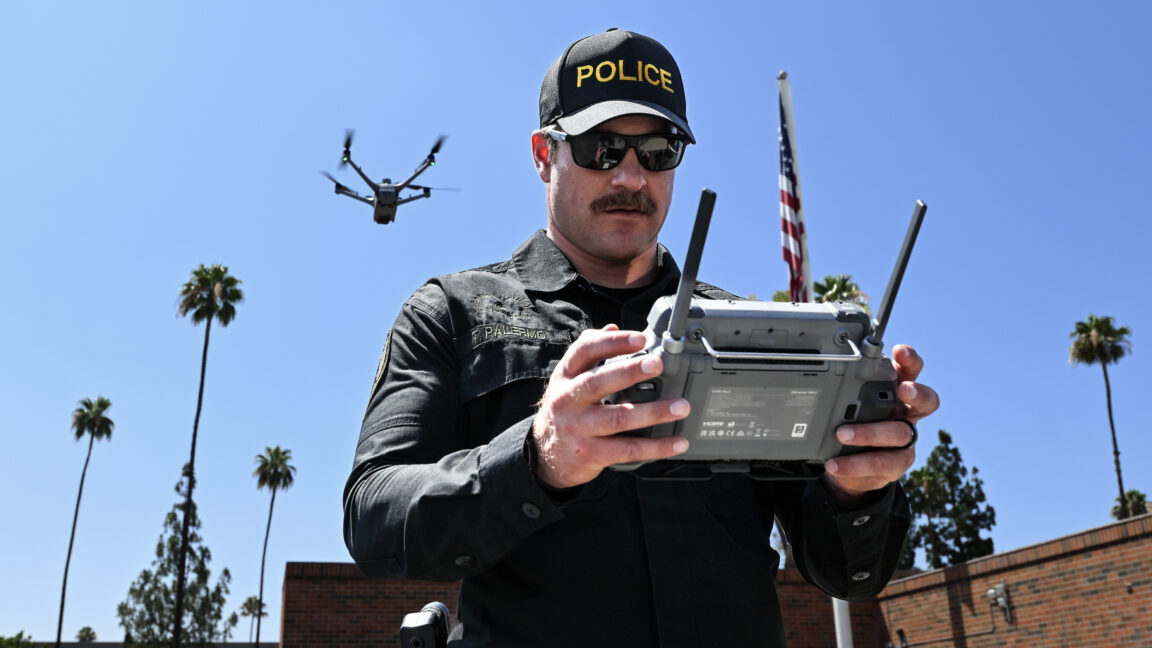
Drone surveillance expanded for July 4th celebrations
During America's 250th celebration, police and firefighting agencies increased the use of drones to monitor for illegal fireworks. The Ars Technica report notes that this expansion in aerial surveillance aimed to deter dangerous displays and improve response times to incidents.
According to the report, the practice has led to tangible enforcement outcomes, including a $100,000 fine tied to a fireworks-related violation. While drones offer a broader view of urban activities, officials caution that such measures must balance public safety with privacy considerations.
What the data shows
- Expanded deployments across multiple cities during peak celebration periods, with drones deployed by police and fire departments to monitor large crowds and potential fire hazards.
- Deterrence and enforcement as officers used aerial feeds to identify illegal fireworks activity and respond quickly.
- Financial penalties including the notable $100K fine highlighted by the Ars Technica piece.
More police and firefighters use drones to catch and deter illegal fireworks, a trend that mirrors growing reliance on aerial surveillance for public safety.
Implications for privacy and public safety
Advocates argue that drone programs can reduce risks by enabling faster detection of dangerous activities and enabling rapid emergency response. Critics, however, highlight privacy concerns and the need for clear governance around data collection, retention, and usage during celebratory events.
As the technology becomes more widespread, municipalities will need transparent policies, training, and oversight to ensure that the benefits in terms of safety do not come at the expense of civil liberties.
Looking ahead
With urban drone programs continuing to mature, agencies may broaden the scope of surveillance in future holidays and large events. The Ars Technica report offers a snapshot of a trend where technology aids law enforcement and firefighting, but also raises questions about cost, effectiveness, and privacy that communities will have to navigate.