
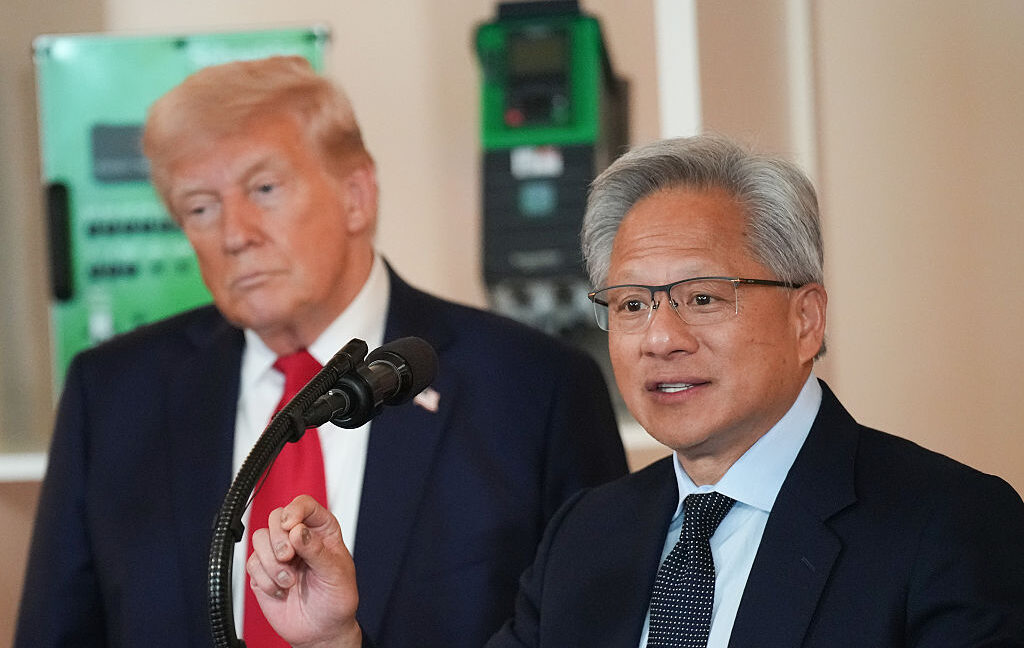
Geopolitics and the AI frontier
The Ars Technica piece frames a geopolitical narrative around AI leadership, focusing on Taiwan’s centrality to chip fabrication, supply chains, and the ongoing policy tensions that could influence AI adoption curves in the US and beyond. The argument is that industrial-scale AI requires stable, trustworthy supply chains and policy environments that incentivize investment in research, manufacturing, and R&D ecosystems. This framing has tangible consequences for enterprise planning, including risk management, vendor diversification, and strategic partnerships across geographies.
From a technical lens, the article underscores how hardware policy and international dynamics impact AI deployment timelines, especially for large-scale models and accelerator-driven workloads. For organizations, the key takeaway is to monitor policy developments, diversify hardware sources where feasible, and design AI programs that are resilient to macro shifts in tech policy and supply chains. In essence, geopolitical factors are increasingly embedded in the cost and speed of AI progress, making strategic foresight and supply-chain risk management indispensable.
In the broader AI ecosystem, the piece adds to the conversation about responsible AI infrastructure, emphasizing that the hardware and policy environment profoundly shape the trajectory of AI leadership on the world stage.