
Introduction
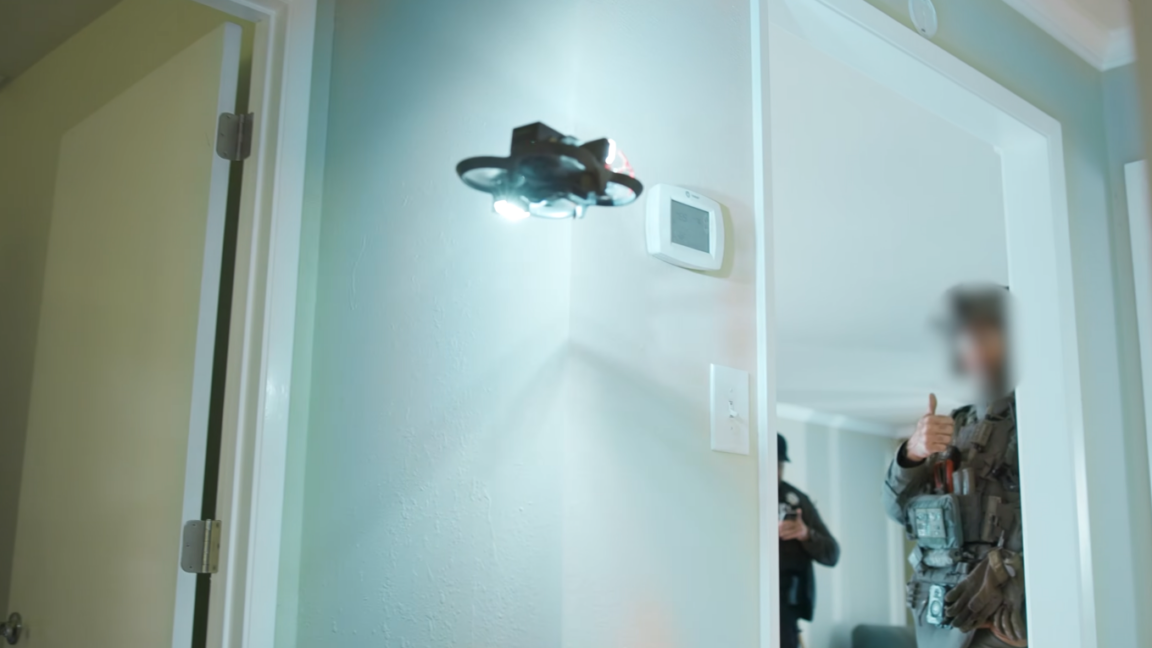
Ars Technica's coverage spotlights a promo video that shows a drone removing a knife from a motionless suspect, a striking example of how unmanned systems are entering the frontline of law enforcement responses. While the clip is promotional, it raises immediate questions about what is possible with current drone payloads and AI-enabled guidance in high-risk encounters. Safety and operational effectiveness are at the center of discussions as agencies explore new ways to respond without putting officers at direct risk.
Video snapshot and implications
The clip appears to illustrate a scenario where an air vehicle interacts with a person who is incapacitated, aiming to reduce risk to officers and bystanders. If validated in real-world settings, this kind of operation suggests drones could serve as non-contact tools to intervene in dangerous situations, potentially changing the calculus of frontline response. Because the video is promotional, observers will look for independent verification, training records, and safety data before drawing broad conclusions. High-stakes demonstrations like this can accelerate adoption, but they also spotlight the need for rigorous testing and clear governance.
Why police departments are turning to drones
- Increased situational awareness: live aerial feeds help responders assess threats, locate bystanders, and coordinate ground teams without being in the line of fire.
- Officer safety: remote intervention capabilities aim to minimize close-quarter danger during critical incidents.
- Disarming options and non-lethal tools: as drone payloads evolve, agencies explore how remote capabilities might help de-escalate threats with reduced physical risk.
Safety, ethics, and policy considerations
With the growing use of aerial systems in law enforcement, communities and regulators are weighing safety considerations, governance, and civil liberties. Questions about reliability, precision, accountability, and transparency loom large: who operates the drone, what control systems are used, how are incidents reviewed, and how is data from the encounter managed and retained? Clear standards and auditable processes will be crucial as deployments expand.
Looking ahead
The article underscores a broader trend: more U.S. police departments are experimenting with drones as first responders. As equipment improves and AI-guided guidance becomes more capable, the field will demand rigorous testing, publishable safety data, and robust training standards. In parallel, public conversations about privacy, oversight, and the appropriate role of machines in life-or-death interventions will intensify. Ongoing scrutiny and transparent reporting will be essential to balance potential safety gains with civil liberties.
Bottom line
Promo footage aside, the practical adoption of drones to disarm an incapacitated person hinges on careful validation, strong governance, and sustained debate over the trade-offs between enhanced responder safety and the rights and privacy of the communities served.