
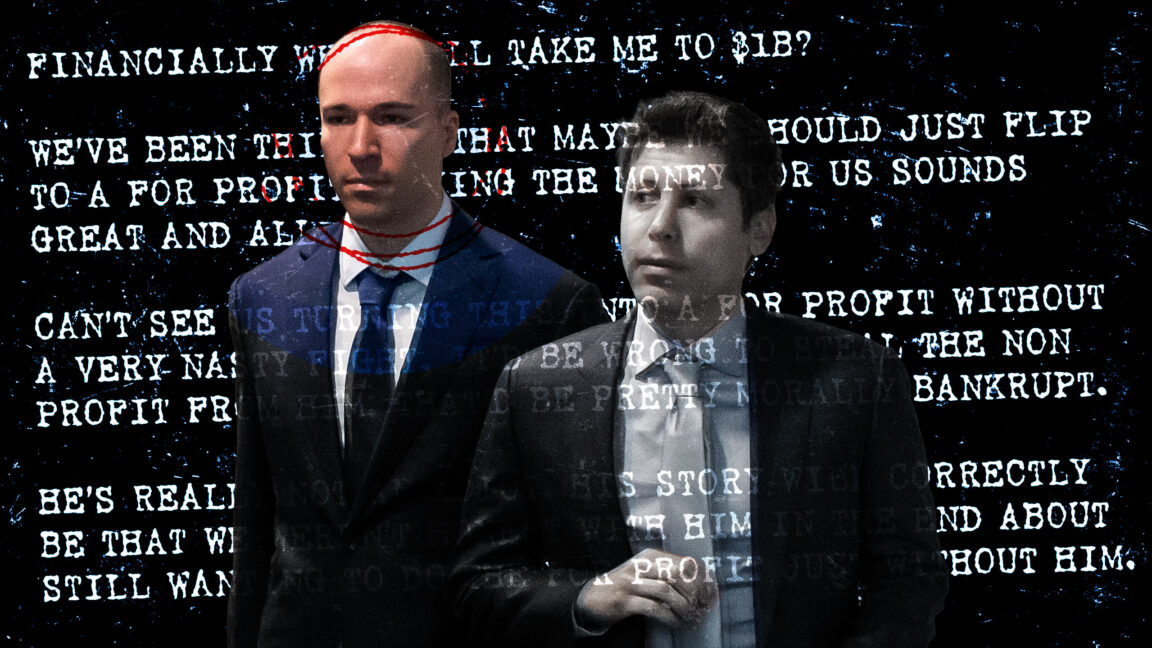
OpenAI diary case tests governance and mission in a market-driven AI era
OpenAI’s public narrative is getting a rare exposure into the inner workings of leadership and mission as a jury hears testimony about the company’s internal documents. The specific detail that Elon Musk argued journals reveal the moment OpenAI abandoned its mission raises questions about how executives balance profit pressures with the stated humanitarian aims of transformative AI. For observers, the episode exposes a broader tension in the AI industry: the push to scale powerful capabilities quickly versus the ethical guardrails and long-term governance that many researchers and policymakers insist are essential.
From a governance perspective, the diary-related disclosures could catalyze renewed scrutiny of how AI companies align incentives, manage risk, and communicate with employees, partners, and regulators. The case may also influence how industry leaders frame responsible AI within a competitive marketplace where the allure of speed-to-market can eclipse slower, more deliberate risk management. Although the jury's conclusions are not yet visible, the narrative itself is a reminder that governance and accountability are not merely abstract principles; they are live, high-stakes factors shaping product roadmaps, regulatory engagements, and investor sentiment.
Technically, the episode intersects with ongoing debates about AI safety, model evaluation, and governance mechanisms—issues that appear across OpenAI’s ecosystem, from GPT-5.5 Instant to enterprise-grade AI agents. The case could influence how companies publish metrics, manage claims about hallucination, and disclose the limitations of these models to the public and to customers. In the near term, expect AI policy debates to intensify, with more attention paid to transparent governance disclosures, independent reviews, and the potential for standardized safety audits that can satisfy both regulators and users.
In terms of market impact, the diary saga may slow, pause, or accelerate product decisions depending on how leadership is perceived by customers and partners. For OpenAI, the optics of leadership accountability could shape partnerships with PwC and other firms, especially those pursuing tight governance controls and predictable deployment timelines. While not a technical shock in the sense of a new model release, the diary narrative is a strategic weather vane: it signals the industry’s ongoing negotiation between aspiration and accountability as AI becomes embedded in critical business processes and everyday devices.
Tags: governance, OpenAI, ethics, leadership, policy