
Executive snapshot
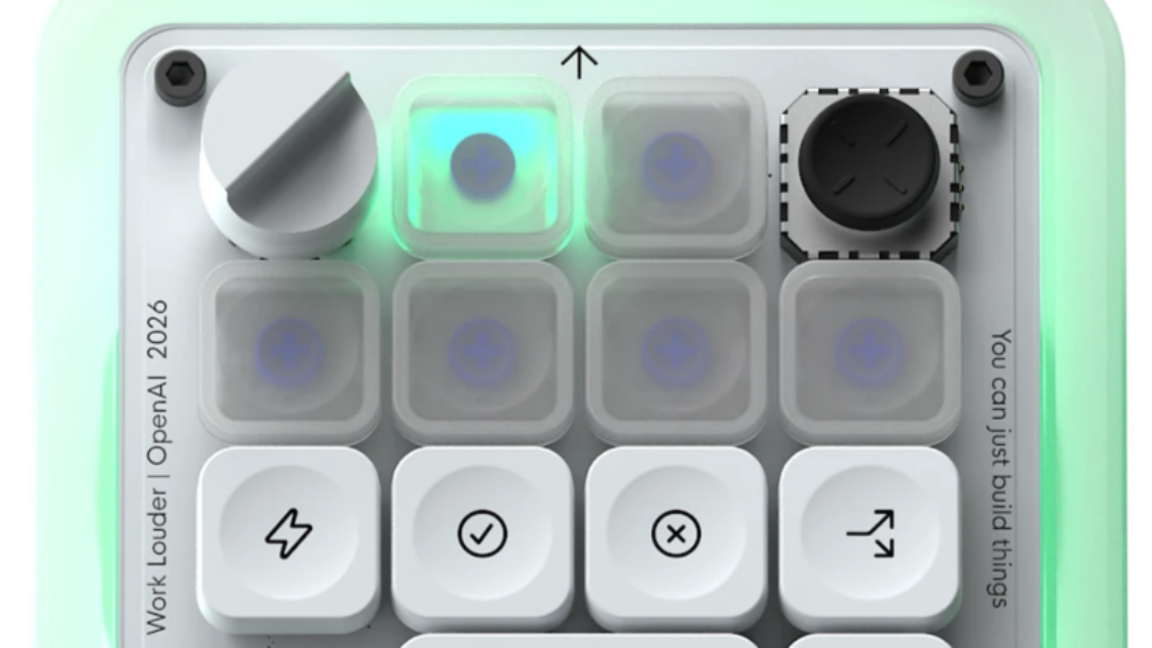
OpenAI’s foray into branded hardware, highlighted by a light-up Codex keyboard, signals a strategic bet on tying hardware to its coding ecosystem. The device acts as a tangible companion to Codex-based workflows, potentially speeding up code generation, enabling quick command access, and anchoring a more tactile developer experience in an AI-assisted world. The article places the hardware move within a regulatory and competitive context where OpenAI’s broader hardware strategy remains under scrutiny as part of its multi-front push into tools and devices beyond software services.
From a product strategy perspective, the keyboard could reduce cognitive load for developers, offering hotkeys, context-aware prompts, and faster transitions between human and machine-generated code. It may also facilitate more seamless integration with agentic tools that orchestrate across a suite of coding assistants and plugins. However, hardware announcements carry risk if the value proposition isn’t fully realized in real-world developer environments. Support, durability, and interoperability with existing development setups will be critical to avoid a perception of gimmick rather than genuine utility.
Economically, this hardware push could open new monetization channels and datasets through on-device usage patterns. It also broadens OpenAI’s product surface, potentially increasing user stickiness and encouraging a broader community around Codex. The broader implication is that hardware, when paired with software AI tools, could become a core driver of enterprise adoption by shaping how teams interact with AI in daily workflows.
In summary, the keyboard marks a recurrent theme in AI tooling: hardware, when thoughtfully integrated with software models, can accelerate adoption and reshape developer workflows, but it requires strong evidence of tangible productivity gains to win long-term credibility.