
Strategic Context
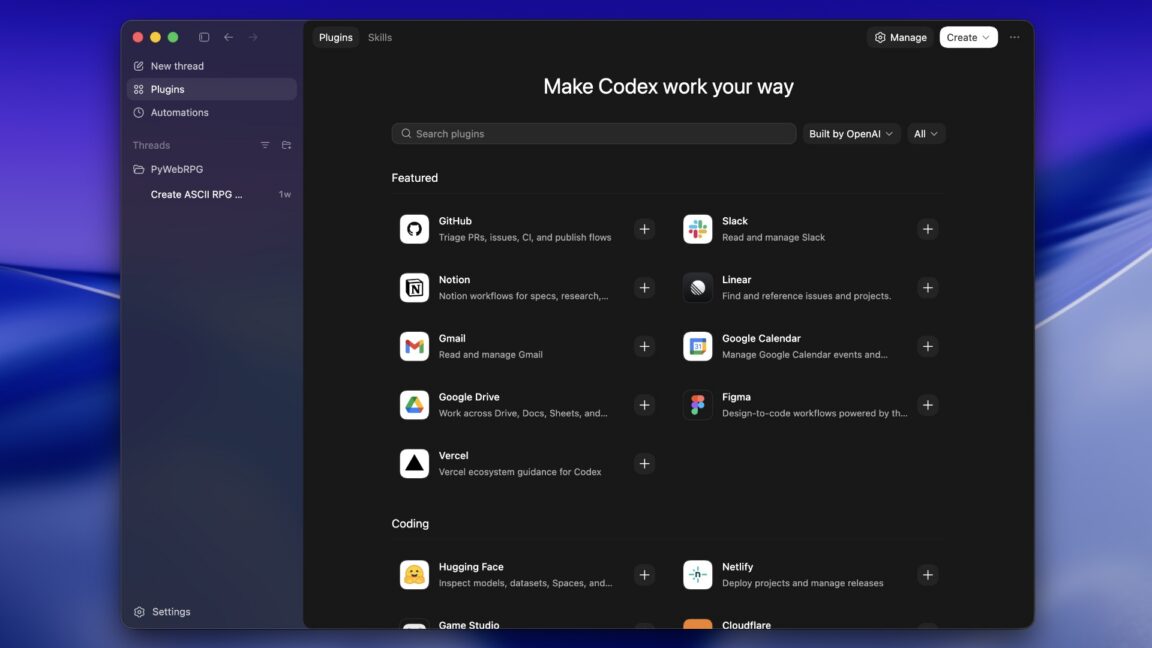
Ars Technica’s analysis emphasizes how plugins broaden Codex beyond pure coding to a more capable assistant for developers. This shift raises questions about how plugin ecosystems will interact with Claude Code and other competitors, potentially reshaping how teams assemble tooling stacks. The plugin approach can accelerate automation by enabling Codex to perform tasks ranging from data parsing to API orchestration, all within a unified interface.
From a competition perspective, the plugin expansion tightens the integration loop for developers already relying on OpenAI platforms. It also intensifies the platform wars as Claude and other players attempt to close capability gaps with modular, plug-in-driven architectures. Businesses should monitor how plugin governance, safety constraints, and licensing terms evolve as more partners join the ecosystem.
Practical Takeaways
- Plugins extend Codex’s reach beyond single-task coding into broader automation workflows.
- Interoperability and clear governance will determine plugin adoption and security postures.
- Developer ecosystems often determine vendor lock-in, so flexibility and portability matter.
For practitioners, this signals a maturation point: the focus shifts from model fidelity alone to the orchestration of a reliable, safe, and auditable plugin-enabled toolchain that can be integrated into enterprise pipelines.