
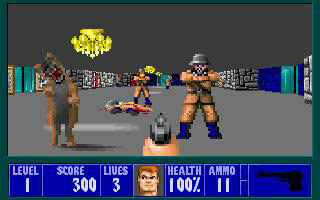
Retro Meets Modernity
Ars Technica’s piece on playing Wolfenstein 3D with one hand blends nostalgia with a discussion of accessibility. It highlights how classic games still challenge designers to consider inclusive controls, user interfaces, and hardware ergonomics, even as modern titles push forward with adaptive triggers, haptics, and AI-assisted accessibility.
From a product perspective, the article invites developers to think about how to balance fidelity with playability across diverse hardware configurations. It also invites a broader conversation about how older design paradigms can inspire inclusive features in contemporary games and training simulators used in professional contexts, including military and industrial training.
Takeaways
- Inclusive design remains a competitive differentiator for software and games.
- Classic titles can still reveal important usability lessons for modern AI-enabled interfaces.
In short, the broader lesson is that accessibility-first thinking benefits not only players but also teams building AI-powered tools and training applications.