
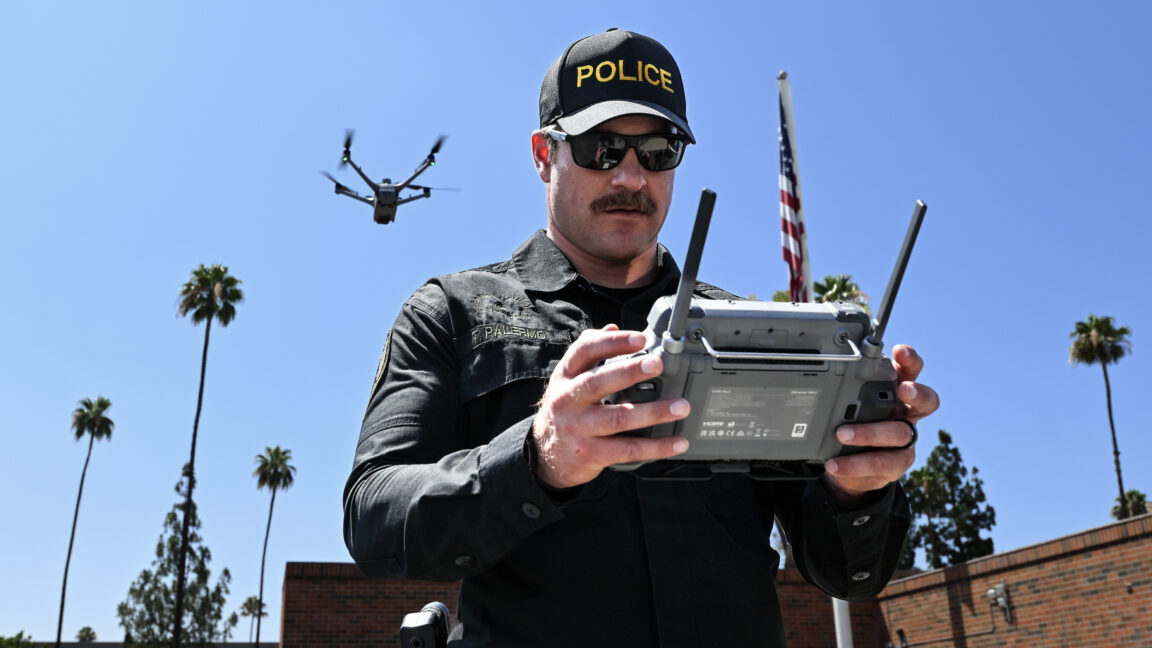
Drone analytics, policy, and public safety
Ars Technica reports on increased drone surveillance following public events, highlighting how cities leverage aerial data to deter violations and support first responders. While the immediate value lies in situational awareness, this trend raises questions about proportionality, civil liberties, and long-term governance of drone-enabled surveillance at scale. Policymakers and technologists must balance deterrence and safety with transparent oversight and robust data minimization practices. For practitioners, the piece reinforces a need for strong privacy-by-design frameworks and edge processing capabilities that limit sensitive data exfiltration and enable auditable trails of drone activity.
The broader takeaway is that AI-powered sensing and analytics are becoming more embedded in law enforcement and public safety workflows. As capabilities expand, the governance architecture—standards, compliance, and oversight—will be as consequential as the technology itself in determining societal outcomes. This is a critical area to monitor as new deployments unfold across jurisdictions and sectors.