
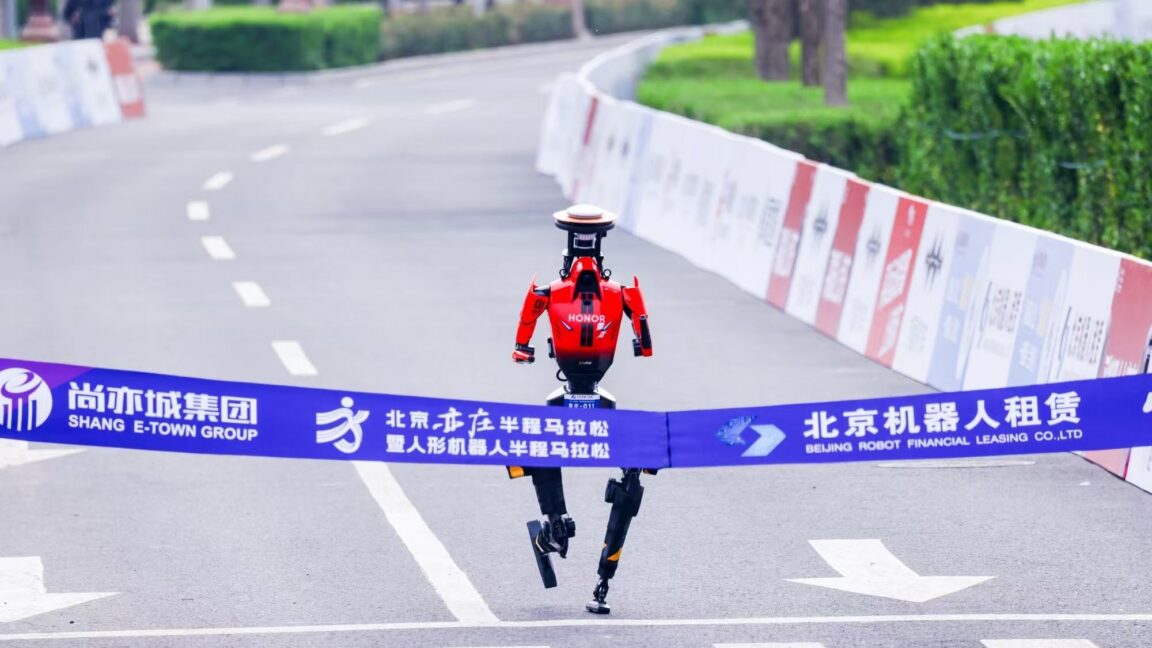
Robotics at speed: a new benchmark
The robot runner story illustrates a milestone in humanoid robotics performance. The race result, framed as a record, is more than a novelty; it signals advances in actuators, control systems, perception, and real-time decision-making that enable robots to operate in dynamic, human-scale environments. This progress matters beyond spectacle: it tests software stacks, energy efficiency, and reliability under fatigue-like conditions that are reminiscent of human endurance. As with many breakthroughs in robotics, public perception and policy considerations follow the technical achievements. The performance gains provoke questions about workforce impact, safety standards for autonomous runners sharing sidewalks with people, and the scalability of robotics for mass adoption. Researchers and industry players may respond with increased investment in robust testing regimes, human-robot interaction studies, and policy considerations that balance innovation with safety and ethical use. The broader takeaway is the dawning of a future where robots complement human athletes and workers in high-stakes tasks, pushing developers to optimize for speed, adaptability, and resilience in real-world contexts.
In terms of AI policy and governance, the article implies a need for clear risk assessments, standardized benchmarks, and transparent reporting on performance metrics for autonomous systems. For enthusiasts and investors, the news signals a sector on the cusp of broader commercial deployment where robotics and AI converge. The combination of technical achievement and social implications makes this a meaningful inflection point for the robotics field in 2026.