
Content, authorship, and AI in publishing
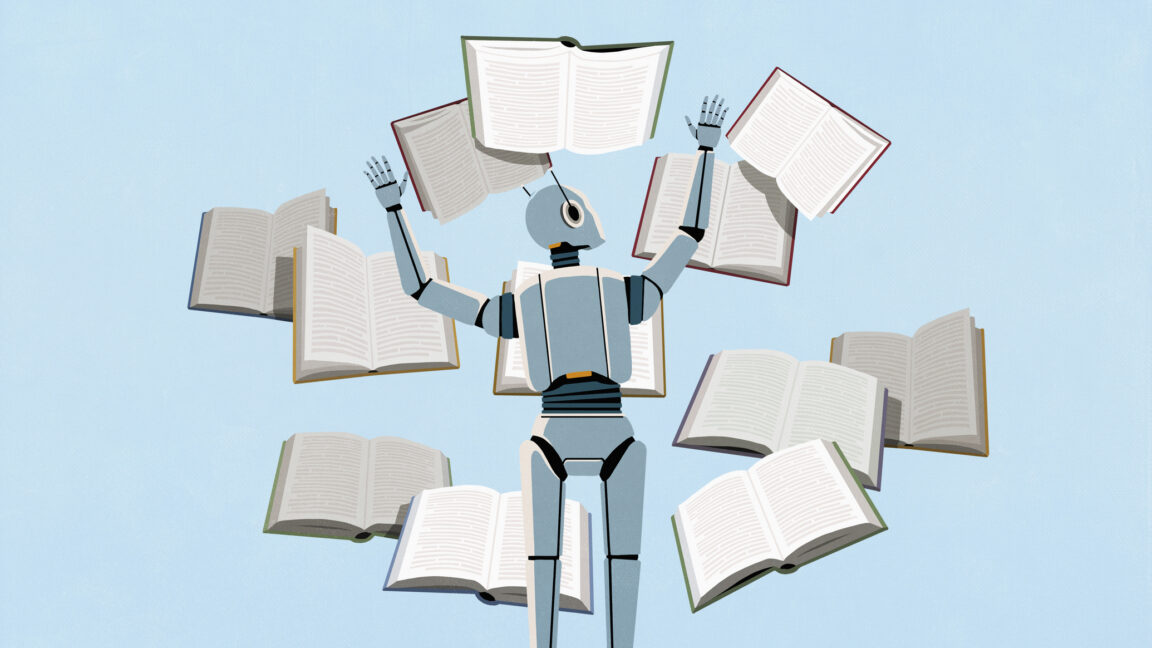
Ars Technica reports on a significant publishing setback in which a horror novel was pulled amid concerns about AI involvement in the text. The episode crystallizes a pivotal debate: where do we draw lines around AI-generated contributions in creative works, and who bears responsibility for the output? The controversy has broad reverberations beyond publishing, touching on licensing, compensation for artists and writers, and the role of AI in shaping cultural products. Critics argue that AI-generated works must be transparently labeled and that rights regimes need adaptation to address machine-authored content. Proponents say AI can accelerate creativity, lower costs, and empower new voices, if governance and disclosure are properly managed.
From an industry perspective, this incident could push publishers and platforms to tighten content policies and develop clearer IP and attribution guidelines. It also highlights a broader consumer trust challenge: ensuring audiences understand when AI is involved, and ensuring generated outputs meet expectations for originality and quality. The practical takeaway is that AI content policies will sharpen, and licensing models may need to evolve to accommodate AI-assisted authorship in mainstream publishing.
For technologists, the case reinforces the importance of designing tools that support transparent disclosure, reproducibility, and safe use. It underscores that as AI-enabled workflows become more integrated into creative processes, governance and ethics must accompany technical capabilities to sustain trust and adoption in consumer markets.
Takeaways: AI authorship governance; IP and licensing for AI-generated content; transparency and disclosure norms; publishing industry policy evolution.