
Overview
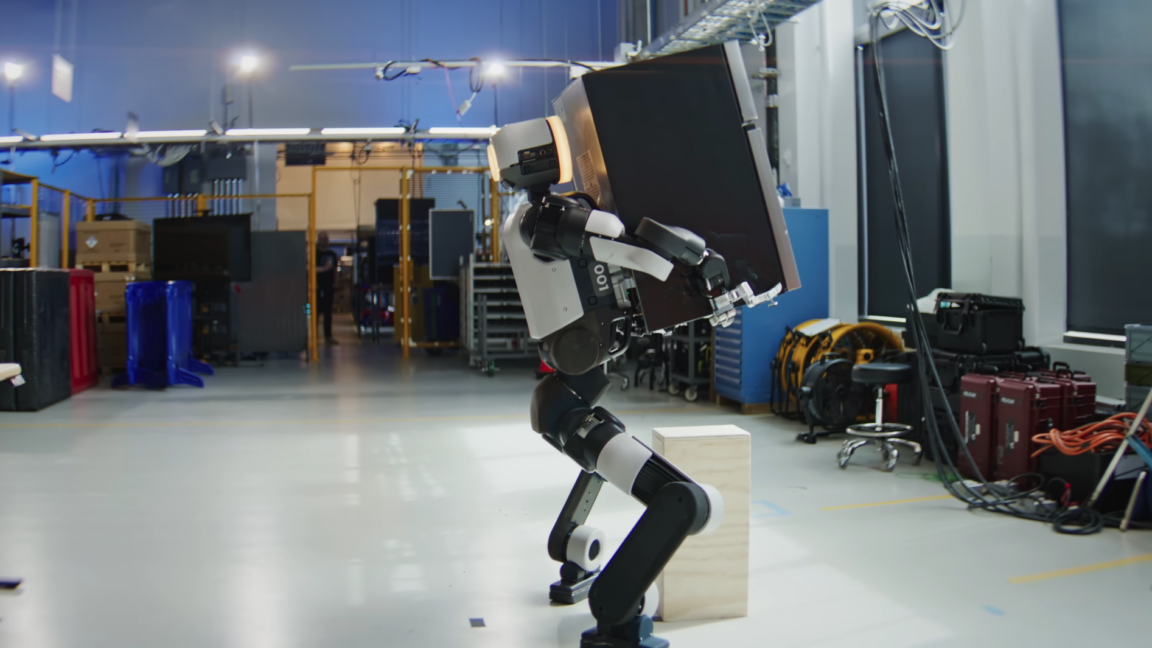
The Ars Technica report highlights a sweeping national investment by South Korea aimed at strengthening AI data center capabilities and commercial humanoid robotics by 2028. The plan appears to intertwine memory chip production capacity with the deployment of robotics ecosystems, signaling a policy stance that tech sovereignty and supply-chain resilience can be achieved through domestic scale in semiconductors and automation. In practice, this means more memory bandwidth, more compute near the data, and a push to contextualize AI workloads within national industries.
Implications for the AI economy: The investment underscores a structural shift in AI infrastructure from purely software-led advances to hardware-led competitiveness. For enterprises, it could translate into more cost-effective GPUs, specialized memory architectures, and closer collaboration with robotic platforms that draw on high-throughput computation. The potential ripple effects include sharper price competition for memory-grade components and accelerated timelines for on-prem and edge AI deployments as domestic fabs expand capacity.
Strategic angle: As nations double down on memory-centric AI, firms should re-evaluate their data residency, vendor diversification, and supply-chain risk, ensuring AI workloads align with local capacity while maintaining global interoperability. Expect closer government-academic-industrial partnerships that fuse AI model development with hardware provisioning, potentially accelerating AI deployment in manufacturing, logistics, and service industries.
Risks and opportunities: The plan could distort global memory markets and spur spinoff innovations in error correction, energy efficiency, and rack-level cooling. For startups and incumbents, opportunities lie in co-locating R&D with new fabs and building ecosystems around humanoid robotics for industrial tasks and customer-facing automation.