
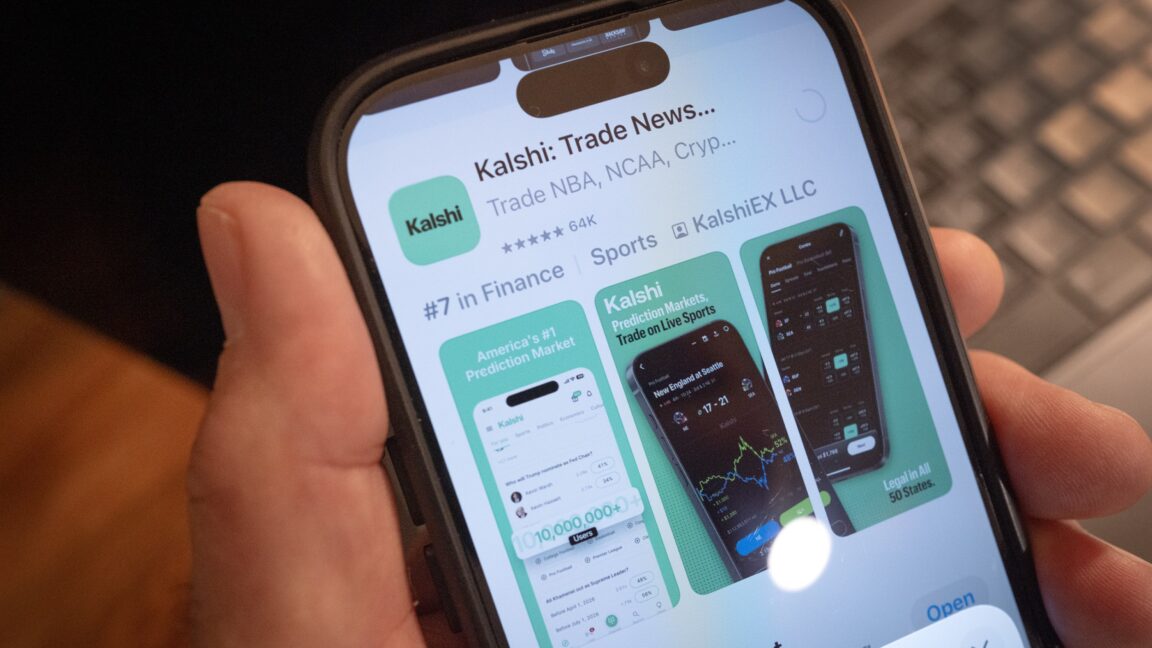
A Washington state judge has ordered Kalshi to stop offering bets and other wagers within the state, and to implement geofencing that blocks access from Washington residents. The ruling marks a notable enforcement action against Kalshi's prediction-market platform and underscores ongoing regulatory scrutiny of event-based wagering services.
Kalshi operates as an exchange-like platform that lets users place bets on real-world outcomes, including sports events. The court's decision directly restricts these activities in Washington, demanding technical controls to ensure users in the state cannot participate.
The order requires Kalshi to deploy geofencing technology to prevent geospatially restricted access, and to disable any active bets involving Washington residents. While the decision focuses on state-specific wagering, it has broader implications for how prediction-market platforms must comply with state laws that govern whether such bets are permissible at all and how geolocation can be used to enforce those rules.
Geofencing is being used to enforce the state's restrictions on Kalshi's ability to operate within Washington, according to the order. Attorneys and policymakers view such measures as a practical tool for ensuring compliance without removing the platform's offerings in other jurisdictions.
Impact on users and markets
- Scope of ban: Washington residents are blocked from placing bets on Kalshi's services, including sports-related wagers, under the court order.
- Compliance obligations: Kalshi must implement geolocation-based controls to enforce the ban and monitor for attempted activity from Washington IPs or devices.
- Market implications: The ruling adds to a shifting regulatory landscape around prediction markets, potentially influencing how other states approach similar platforms.
- Operational considerations: The decision could lead Kalshi to reexamine product offerings and licensing requirements in states with active enforcement concerns.
What this means going forward
- The enforcement action serves as a reminder that prediction-market platforms operate under a patchwork of state rules, and geofencing remains a common enforcement tool when outright bans are not feasible nationwide.
- For users who rely on Kalshi for how-to bets and market exposure, this ruling restricts access within Washington while leaving open questions about other states’ regulatory paths.
- Analysts say the case could influence future regulatory debates about whether prediction-based betting should be treated similarly to traditional sports wagering or more like financial markets with event-driven contracts.