
Overview
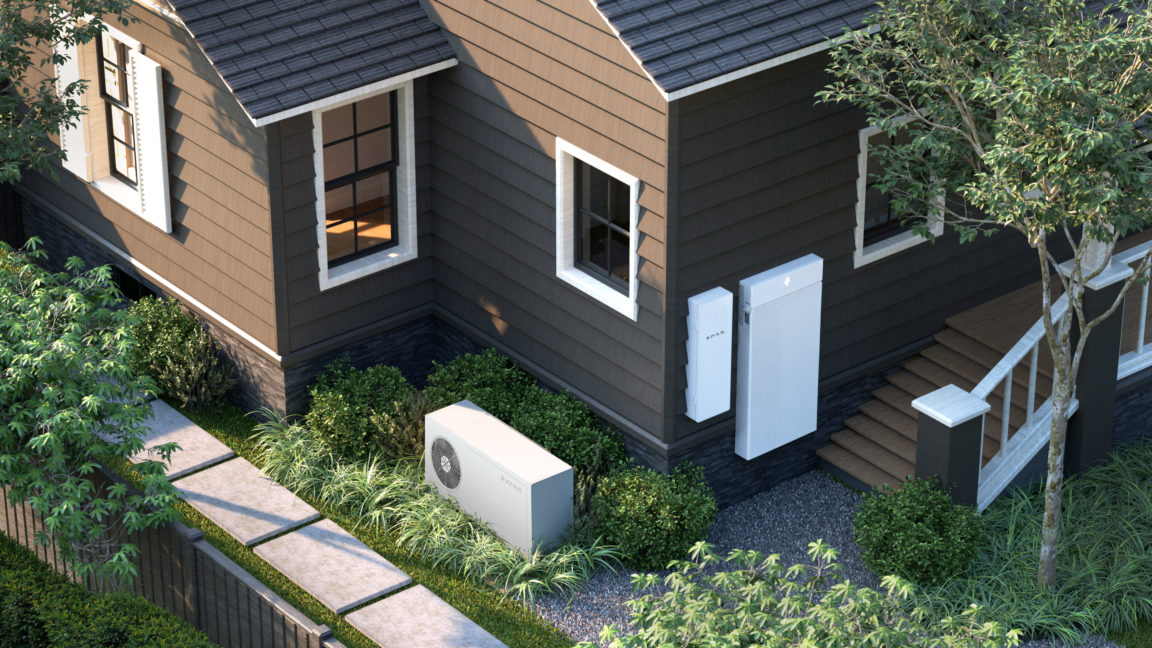
Ars Technica’s exploration of the mini data center concept taps into a longstanding fascination with edge computing and on-prem AI. The proposition is provocative: a compact, power-efficient data center housed in a residence could accelerate latency-sensitive AI workloads, enable private inference, and reduce dependence on centralized cloud compute. Yet the idea arrives with a suite of practical challenges—power consumption, cooling efficiency, maintenance, and security. The piece frames these trade-offs with nuance, acknowledging that the economics must clear multiple hurdles before mass adoption is feasible.
From a technology strategy lens, the mini data center idea reflects a broader trend toward decentralization of compute resources. If proven viable, it could complement cloud-based AI by handling sensitive workloads locally, thus addressing privacy concerns and reducing bandwidth costs. But the hardware is only part of the equation. Software stacks, orchestration, firmware security, and interoperability with GPUs and AI accelerators are equally critical. As AI models grow more capable and more data-intensive, designers will test the limits of how much of the compute can or should live at the edge versus in centralized data centers.
Policy and security considerations loom large as well. A consumer device with an AI accelerator raises questions about data sovereignty, supply chain trust, and incident response. The article emphasizes real-world constraints—noise, heat, and the complexity of maintaining optimal performance in unpredictable home environments. This is not a slam dunk; it’s a deliberate exploration of a future that could coexist with cloud-native AI if the economics and risk controls align.
For practitioners, the signal is clear: new business models may emerge around residence-based AI compute, but success will demand advances in thermal design, energy efficiency, micro-datacenter software, and robust security frameworks. The industry should watch for pilot programs, cost breakthroughs, and interoperability standards that could make home-based AI compute a partial reality rather than a sci-fi curiosity.
Takeaway for practitioners: If home-based AI compute becomes viable, expect new hardware designs, software stacks, and security protocols that bridge private edge compute with centralized AI ecosystems, potentially opening a new frontier in enterprise and consumer AI deployment.