
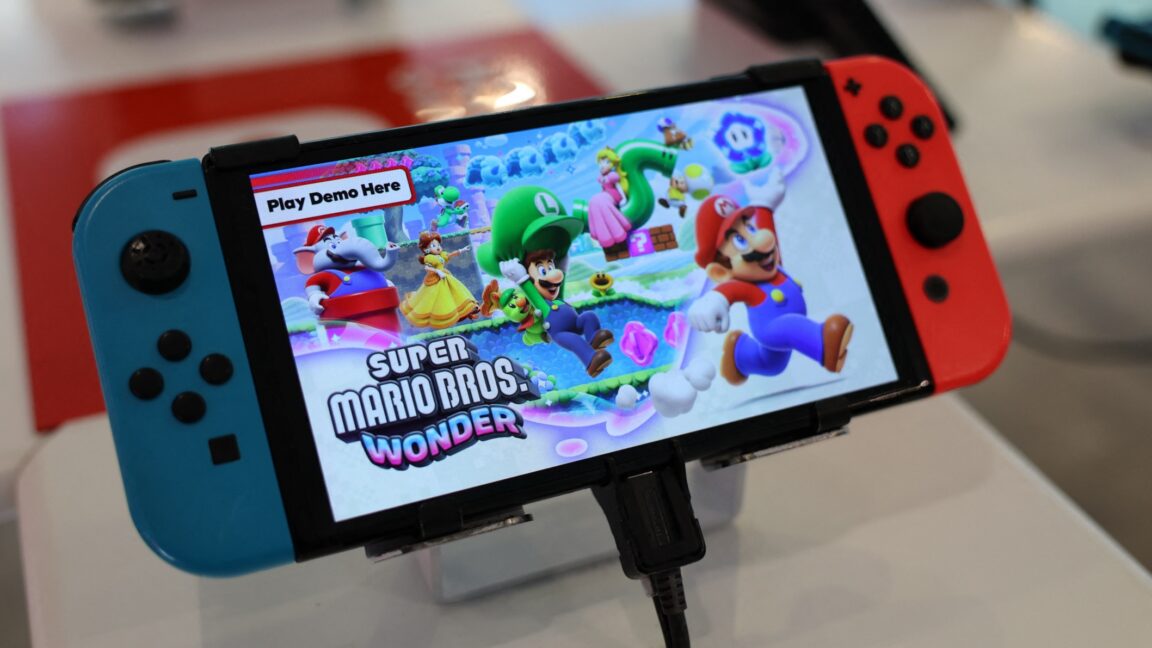
Ars Technica's assessment of a long tail for the Switch
The question posed by Ars Technica about the Nintendo Switch's continued market presence is not about a clock striking zero. It is about a nine-year-old console that stubbornly remains a viable platform for players, publishers, and retailers. Their analysis suggests the Switch could keep selling for years, rather than vanish in a single headline next to a successor. That framing has real implications for Nintendo's product cadence and for how the industry times its own platform transitions.
From a consumer perspective, a long tail matters. Families need affordable hardware, a robust game library, and fewer disruptions when kids' interests shift. A console that remains in production with ongoing software support can provide a reliable path for players to upgrade their living room without stepping into the unknown of a new generation. In that sense, the Switch's age becomes a feature, not a failure.
For developers and publishers, the market dynamics are different. A durable platform means continued demand for evergreen titles and for new releases that can run on current hardware. It can encourage longer release cycles and keep a steady stream of revenue, even as other studios pivot toward newer machines. This is not the same as a "no successor" stance, but it does tilt Nintendo's planning toward balance: a sales engine that earns while preparing for a future move.
Key factors behind the long tail include not only the hardware's portability and price point but also a thriving digital storefront and a deep catalog of games that span genres and audiences. While some fans crave the newest features and sharper visuals, others appreciate the simplicity, the familiar controls, and the value proposition of a system with an established library. In practice, this means the Switch can continue to attract both new players and long-time fans who are not in a rush to adopt a new platform.
- Install base longevity that fuels continued software sales and digital purchases
- Flexible pricing and bundles that attract new buyers and families
- A broad game library that spans evergreen titles and indie hits
- Strategic pacing of any hardware refresh to avoid market disruption
Ultimately, the takeaway is rhetorical more than numerical: the headline may be about a countdown, but the countdown itself does not have to end abruptly. Ars Technica's framing of a nine-year-old console as capable of sustained life challenges the impulse to equate "new generation" with immediate replacement. For readers and industry watchers, the number behind the Switch's days is likely to be a long one, measured not in months but in years of continued relevance.
As the conversation around Nintendo's roadmap evolves, one thing remains clear: a durable platform can still be a powerful asset in a company's portfolio. The Switch's ongoing sales life—whatever the precise numeral—illustrates how ecosystems built on backward compatibility, a rich library, and broad accessibility can outlive a single generation and continue to shape consumer choices and developer strategies for years to come.