
Overview
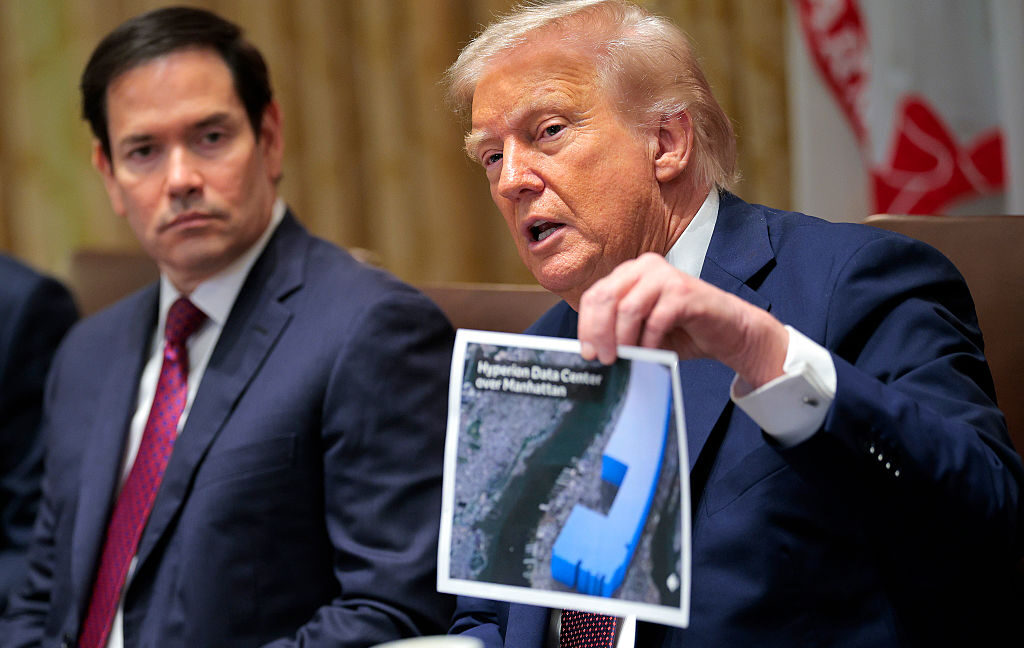
Ars Technica reports on the headwinds facing the White House’s AI data-center expansion, highlighting how external factors—tariffs, supply-chain fragility, and power-grid constraints—are delaying key projects. While the ambition to scale AI infrastructure remains high, the realities of constructing large-scale data facilities in a volatile policy environment are shaping timeline expectations and budget planning. The article frames the issue within a broader context where national competitiveness in AI infrastructure depends on a stable mix of policy support, energy strategy, and industrial policy alignment.
From a policy lens, the analysis invites debate about how to balance national-security-driven AI investments with the economics of energy resilience and grid capacity. For industry players, the piece underscores risk management imperatives: renegotiation of power contracts, diversification of energy sources, and prudent capital allocation to avoid cost overruns in data-center rollout. The reporting also hints at a pivotal inflection point: public-private partnerships and energy policy will play a decisive role in whether the U.S. can sustain a competitive AI compute backbone in the coming years.
On the market side, the delay in deployment could affect vendor selection, licensing deals, and regional competitiveness. It may shift capital toward markets with more favorable energy policies or regulatory clarity, even as the demand for AI compute remains robust. The narrative invites policymakers to consider streamlined permitting, energy incentives, and grid modernization as levers to accelerate AI infrastructure growth without compromising safety or resilience. In short, the story is a reminder that the AI race is inseparable from energy and policy ecosystems that must synchronize for progress to scale sustainably.