
Policy shift and the AI angle
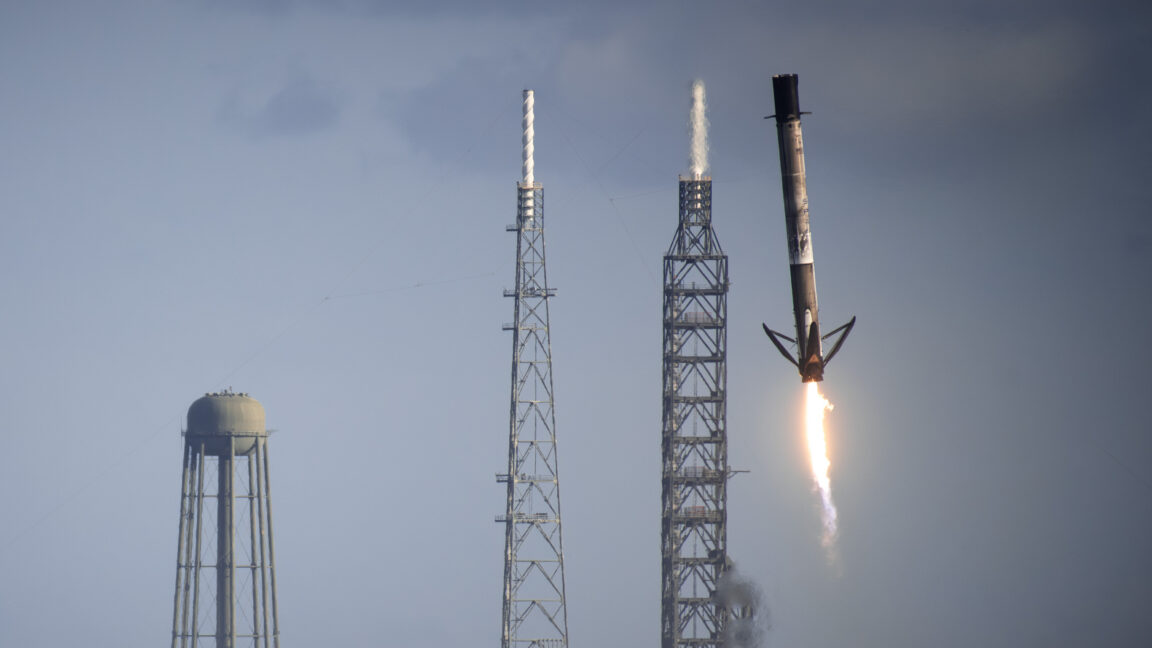
The Ars Technica article details a policy move from the Trump administration that would expand spaceport infrastructure on federal land to accommodate a surge in launches. The plan highlights the need for facilities capable of handling heavy and super heavy launch capabilities, signaling a longer-term push to broaden the United States' launch capacity in the commercial, military, and NASA spheres.
We probably need another site that's capable of heavy and super heavy launch capability.
While the report centers on policy and infrastructure, the move raises questions about how advanced technologies—particularly artificial intelligence—could support a wider network of spaceports and a bolstered launch cadence. Although the article does not detail AI applications, analysts generally consider AI-enabled systems essential for managing increased traffic, ensuring safety, and maintaining reliable operations in complex, high-stakes environments like spaceports.
Here are potential AI-enabled implications that could accompany an expanded spaceport footprint, conditional on policy implementation and funding:
- AI-driven launch scheduling and airspace coordination: As more sites come online, intelligent scheduling could optimize vehicle turnarounds, minimize conflicts in shared air and space corridors, and forecast delays before they occur.
- Predictive maintenance and asset health: AI models could monitor engines, ground systems, and support equipment to anticipate failures, reducing unplanned downtime and extending the lifespan of expensive infrastructure.
- Safety and risk assessment: Machine learning tools might analyze real-time sensor data, weather patterns, and operational telemetry to support decision-making around launch windows and abort criteria.
- Cybersecurity and resilience: A broader launch network would demand robust AI-assisted security to detect anomalies, prevent intrusions, and safeguard critical control systems from threats.
- Environmental monitoring and compliance: AI could help ensure adherence to environmental constraints by tracking emissions, land-use impacts, and other regulatory requirements across multiple sites.
The policy thrust—creating more federal spaceport capacity—could intersect with AI at multiple layers of operations. If enacted, it would necessitate not just physical infrastructure but also a modernization of operational software, data-sharing protocols, and cybersecurity defenses to manage a denser, more dynamic launch ecosystem. The article’s emphasis on heavy and super heavy capabilities underscores the scale and risk involved, making intelligent, automated systems potentially valuable allies in maintaining safety margins and operational reliability.
For readers tracking space policy and technology, the Ars Technica report highlights a pivotal shift in how launch infrastructure is conceived in the United States. It signals a possible rebalancing of federal land use for spaceports, with implications for industry participants, NASA priorities, and national security considerations. While specifics about funding, site selection, and governance remain to be seen, the AI lens suggests that any expansion would likely come with a parallel push toward smarter, more autonomous support systems designed to handle a future with higher launch frequencies and more complex missions.
What comes next
Until details emerge—such as congressional appropriations, site locations, and timelines—the policy remains a defining moment for how the nation envisions space access and its readiness to manage a growing cadence of launches. The potential AI components described above illustrate how technology could enable a more capable, safer, and efficient system if the policy moves forward.