
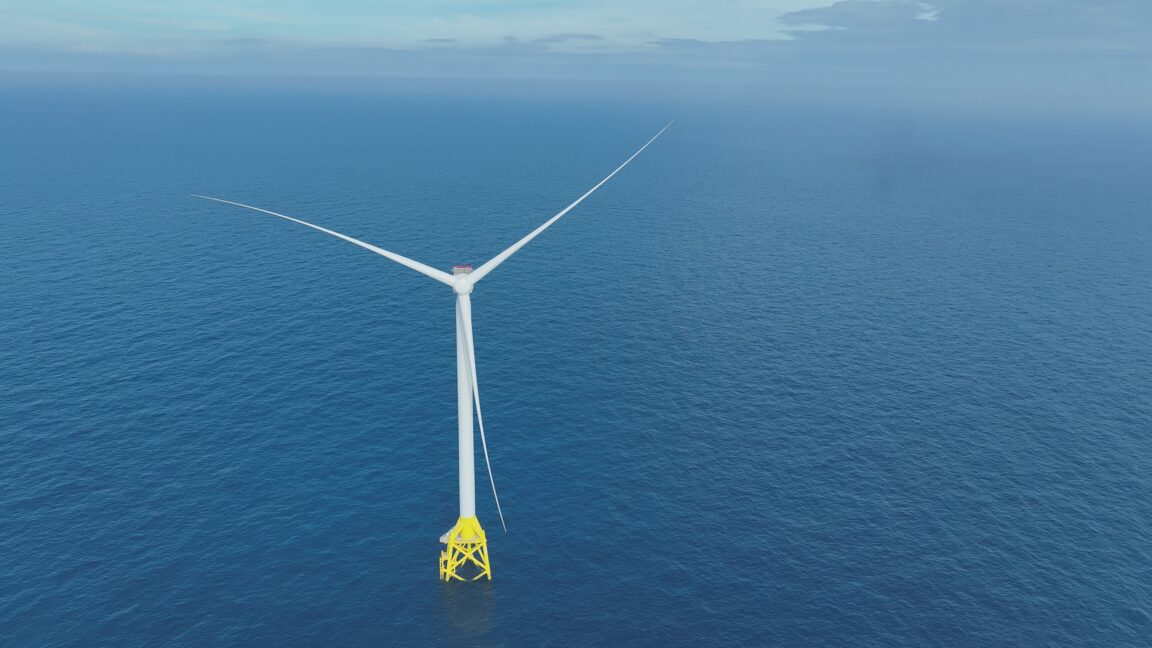
Overview: TSMC bets on wind as AI chip demand rises
Taiwanese chip giant TSMC is turning to wind power to help meet the energy needs of its AI chip manufacturing operations amid a broader energy crunch on the island. As demand for AI processors continues to surge, the energy-intense process of fabricating cutting-edge semiconductors has highlighted the fragility of supply chains and grids in regions essential to chip production. The report notes that TSMC is leaning on renewables as part of a strategy to stabilize power delivery for its fabs during periods of peak demand.
Why renewables matter for AI chip manufacturing
AI chips require reliable, high-capacity power, and renewable sources like wind can contribute to a more resilient energy mix. Wind power offers a path to reduce emissions and dependence on traditional grids, a consideration for fabs that operate around the clock. By incorporating offshore or onshore wind capacity, TSMC aims to diversify its energy portfolio and soften exposure to energy price swings that can accompany tight supply conditions.
- Energy stability: Consistent power is critical for continuous manufacturing lines in semiconductor fabs.
- Emissions and sustainability: Renewables align with broader corporate goals to curb carbon footprints in high-energy industries.
- Grid integration: Expanding renewable capacity necessitates coordination with local grids to handle intermittency and demand fluctuations.
- Long-term partnerships: Pivots toward wind often involve long-term contracts and investment in infrastructure to support scale.
Implications for the broader AI supply chain
As AI chip demand accelerates, suppliers face a dual challenge: meeting production needs while navigating energy constraints that can affect output. TSMC’s move to back renewables signals a trend where manufacturers may increasingly pursue cleaner power to stabilize production and reduce exposure to volatile energy markets. The development also underscores the strategic importance of regional energy security for global chip supply chains, particularly in areas with dense semiconductor ecosystems.
In a climate of rising energy needs, manufacturers are reevaluating how to pair heavy industry with cleaner, more reliable power sources to sustain critical supply chains.
Conclusion: Energy strategy as a pillar of silicon manufacturing
TSMC is adding wind power to its energy mix at a moment of record demand for AI chips. The approach reflects a broader push within the semiconductor sector to integrate renewables into core operations, mitigating energy crunch risks and advancing sustainability goals. If Taiwan’s energy supply remains under pressure, such investments in clean power could become a model for how high-demand industries keep fabs running while shrinking their environmental footprint.