
Context and Implications
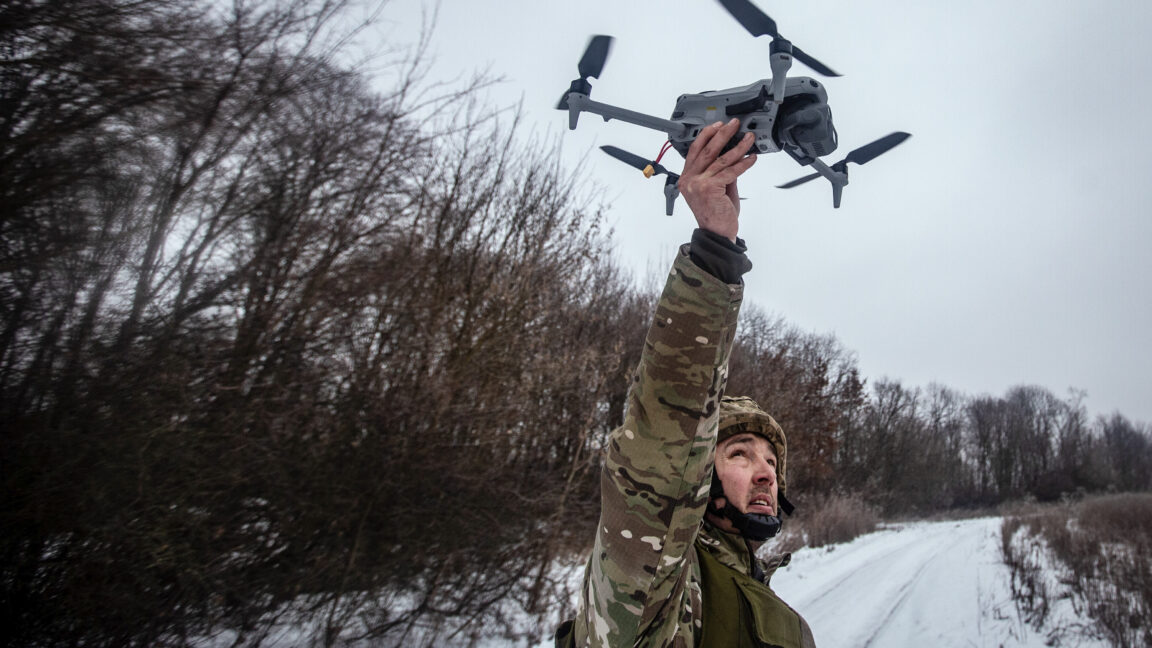
The report describes a one-time use of fully autonomous drones with AI modules in the conflict landscape. While not detailing tactical outcomes, the move signals a broader trend toward autonomous systems in modern warfare. For policymakers, this emphasizes the need for new norms, treaties, and verification mechanisms around autonomous weapons, as well as the risk of escalation if autonomy expands beyond stringent control and human oversight. For defense tech leaders, the development underscores a race to mature, test, and responsibly deploy AI-enabled platforms that can operate with limited human intervention under real-time conditions.
From a technical perspective, the deployment of AI modules in drones highlights the design challenges around reliability, robustness to adversarial conditions, and safe fail-safes. Operators must consider sensor fusion, decision latency, and secure update channels to prevent tampering. The ethical dimension is equally important: even when autonomy promises tactical advantages, it raises questions about accountability, civilian risk, and compliance with international humanitarian law. The broader AI ecosystem should anticipate increased scrutiny of dual-use capabilities and invest in governance mechanisms that can prevent misuse while preserving strategic deterrence and human-in-the-loop oversight where appropriate.
In the near term, we can expect debates about arms-control frameworks, export controls for AI-enabled weapons, and investments in non-kinetic capabilities that reduce risk while preserving strategic stability. Analysts will watch not just the technological feasibility but the policy signals that accompany deployment decisions. This episode is a reminder that AI-enabled autonomy will remain a contested frontier where technical capability, ethical constraints, and geopolitical considerations intersect in disproportionate ways.
Takeaways for Defense and Policy Teams
- Develop robust human-in-the-loop policies for autonomous weapons and surveillance systems.
- Invest in secure software supply chains and runtime monitoring for autonomous platforms.
- Engage in international dialogue to shape norms around autonomous weapons testing and deployment.