
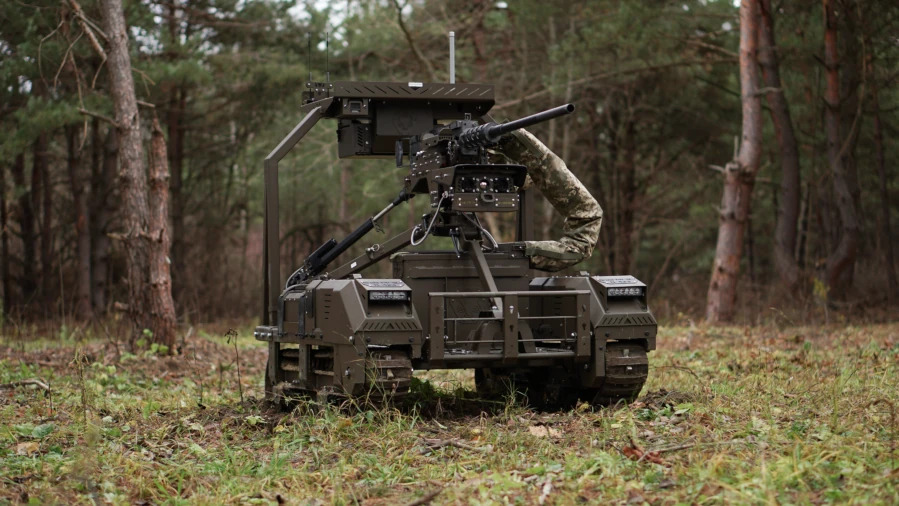
Robotics in modern conflict
Ukraine’s intensification of robotic systems reflects a broader trend toward autonomous and semi-autonomous systems in defense. The deployment strategy aims to mitigate human risk while extending reconnaissance and operational reach in contested environments. While the technology promises tactical advantages, it also raises questions about escalation, ethical use, accountability, and the potential for unintended consequences in kinetic warfare. As with any high-stakes domain, governance, validation of autonomy levels, and robust safety protocols are essential to avoid miscalculations that could magnify harm.
From a policy and risk management viewpoint, the downstream implications include export controls, interoperability with allied systems, and the need for clear rules of engagement. In the AI governance discourse, this example underscores the importance of guardrails, secure supply chains for autonomous systems, and transparent public dialogue about how these technologies are deployed in real-world contexts. The story also informs private-sector developers about the dual-use nature of robotics and AI in national security settings, underscoring the need for industry standards and responsible innovation frameworks.
For technologists, the Ukrainian context offers a stern reminder that autonomous systems will soon operate in environments with fragile human oversight. Building safety, reliability, and predictable behavior into agent-based platforms becomes not only a best practice but a strategic necessity as such capabilities scale and permeate broader industries beyond defense.