
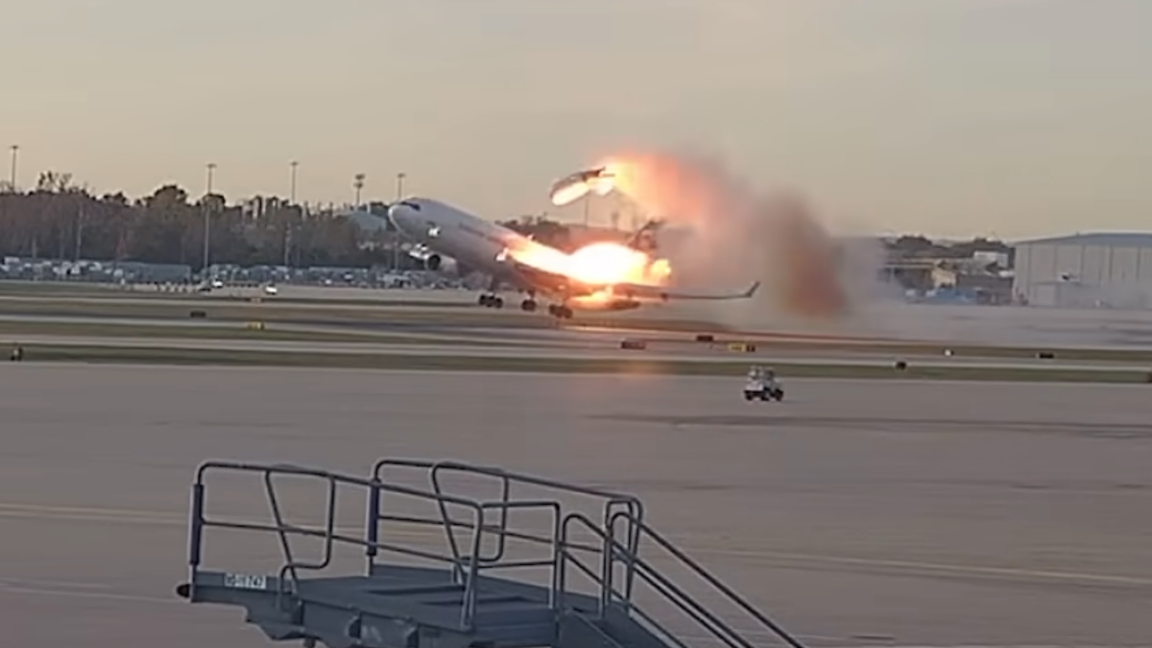
Regulating AI voice recreation in aviation
Ars Technica reports a regulatory pushback against AI-generated recreations of cockpit voices. The policy momentum centers on preventing misuse and safeguarding sensitive data while preserving investigatory access. The tension reflects a broader trend: as AI capabilities expand, policymakers seek to balance transparency with privacy and civil liberties. The immediate stakes involve aviation safety and accountability, but the implications extend to any domain where reconstructing voice data could reveal sensitive information.
Practically, this means more precise rules around data licensing, consent, and the permissible scope of AI-assisted reconstructions. It also means that technology developers must embed privacy-by-design principles and robust audit trails. For investigators, the development underscores the need for alternative, privacy-preserving avenues to glean crucial learnings from incidents without overstepping ethical boundaries. In a broader sense, the debate is a bellwether for how AI-enabled forensics will operate across multiple high-stakes sectors, from healthcare to law enforcement.
Ultimately, policymakers, industry, and researchers must collaborate to establish norms that protect individuals while enabling critical investigative work. The coming months will likely see more policy proposals, industry standards, and perhaps new liability frameworks for AI-enhanced forensics.
Bottom line: The ethics and governance of AI-driven voice recreation in investigations will shape how such techniques are used in future inquiries.