
Overview
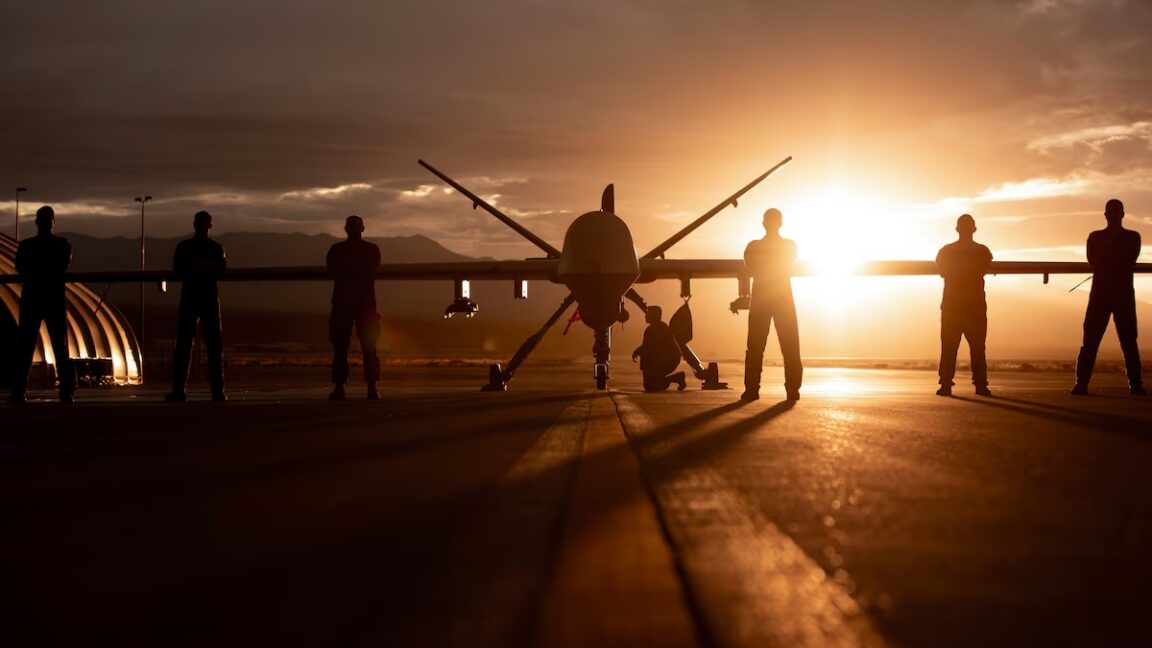
Military modernization intersects with AI ethics in a scenario where the United States reassesses its drone strategy after a major strategic disruption. Analysts foresee accelerated investment in cheaper, mass producible unmanned aerial systems equipped with AI for autonomy, targeting, and situational awareness. The development raises questions about escalation, rules of engagement, and safeguards to prevent unintended consequences in warfare powered by AI.
Strategically this move speaks to a broader trend: the shift from rugged but expensive platforms to lower cost, modular AI integrated systems that can be fielded rapidly. The affordability thesis could democratize options for defense beyond a few high end platforms, but it also heightens concerns about proliferation, risk of miscalibration, and the need for robust testing of autonomy in contested environments. Policymakers will need to navigate export controls, international norms, and verification regimes to prevent destabilizing an already tense geopolitical landscape.
From a technology perspective, the push emphasizes advanced sensing, edge AI processing, and efficient communication stacks that enable reliable operation with limited bandwidth. It also amplifies the importance of secure software supply chains, rigorous testing, and red teaming to anticipate adversarial challenges. In the broader AI ecosystem, this trend could accelerate collaboration between defense and AI communities, catalyzing innovations with civilian spillovers in autonomy and robotics while intensifying scrutiny over ethical deployment and accountability for autonomous weapons systems.
In sum, this policy shift signals a pivotal moment for AI in national security. The balance of capability, risk, and governance will be critical as the AI arms race evolves from a theoretical debate to concrete procurement choices with global implications.