
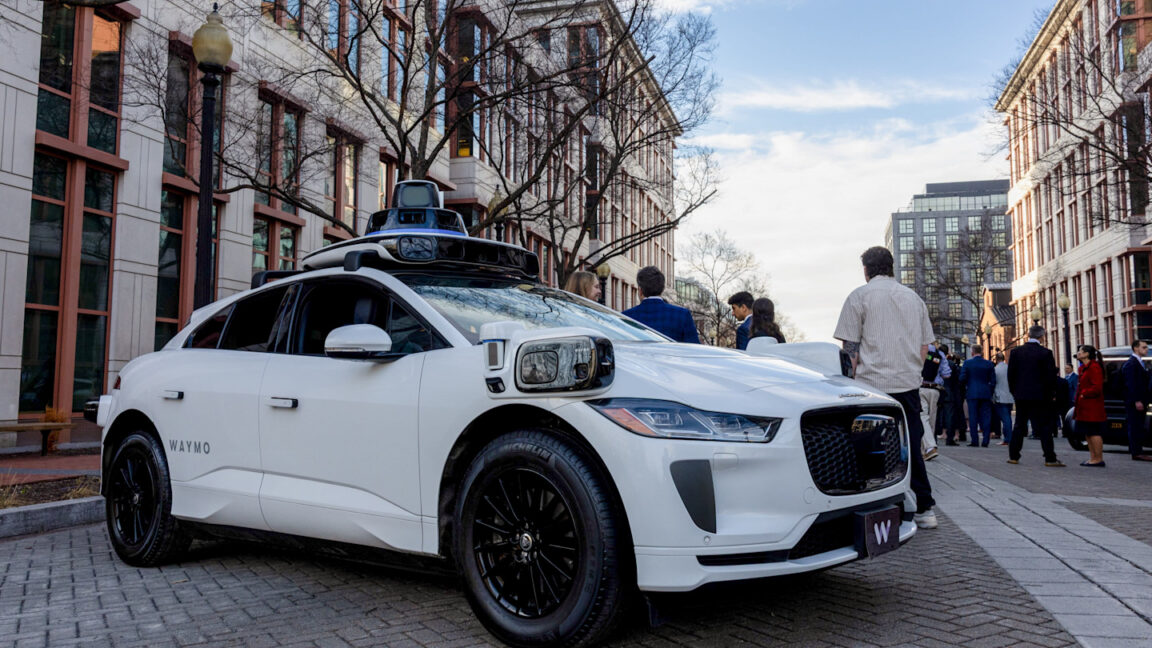
Waymo Doubles Robotaxi Lobbying as Autonomy Push Faces Regulatory Hurdles
The Alphabet-owned autonomous mobility pioneer has doubled its lobbying spending as it seeks regulatory clarity for fully autonomous taxi services. The strategic push reflects the high-stakes race to commercialize robotaxi fleets, with policymakers examining safety protocols, data governance, liability, and consumer protection. The conversation is shifting from mere capability to governance—how to scale autonomy responsibly, how to manage fleets at scale, and how to align incentives across multiple stakeholders, including drivers, regulators, and cities.
From an industry lens, the shift signals greater maturity in autonomous systems. AI-driven control planes, sensor fusion architectures, and safety cases for urban environments are transitioning from lab demonstrations to supplier-customer deployments. Yet the regulatory landscape remains uneven, with a patchwork of city-level rules complicating nationwide expansion. The lobbying surge suggests that companies see a viable, near-term path to scaling robotaxi services, provided they can demonstrate robust safety performance, transparent testing, and clear consumer protections.
For investors, this is a reminder that the value in autonomous mobility extends beyond the AI model: the real asset is the system’s deployment, maintenance, and governance framework. The emphasis on policy signals also highlights an opportunity for better industry-wide standards around autonomous fleets, data sharing, and interoperability. As autonomy becomes a service, policy alignment becomes a competitive differentiator.
Takeaway: Autonomous mobility is entering a governance-driven phase where regulatory clarity and safety assurances will drive the speed and scope of robotaxi rollouts.