
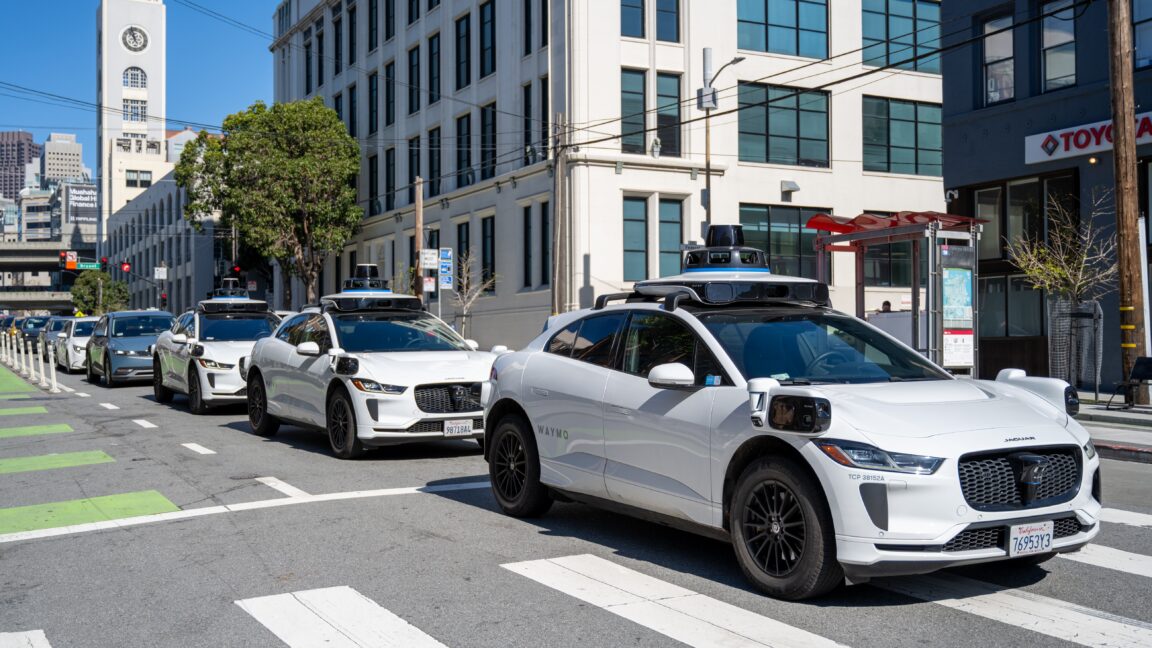
Robotaxis and traffic dynamics reconsidered
Recent studies question the extent to which autonomous taxi fleets reduce congestion. Waymo's robotaxis show high utilization in some corridors but also clear gaps where empty miles persist. The implications for urban planning, transit integration, and policy frameworks are significant as cities weigh how to incorporate autonomous fleets without unintended externalities.
From a product and operations lens, the data emphasizes the need for smarter routing, fleet balancing, and demand-aware pricing to optimize utilization. It also highlights the potential for complementary modes—micro-mobility, public transit, and on-demand shared rides—to work in concert with robotaxis to deliver real congestion relief rather than simply shifting it geographically.
For the AI and mobility community, the takeaway is clarity: autonomy alone does not guarantee traffic relief. Success hinges on system-level design, data-sharing arrangements, and policy incentives that align fleet behavior with urban mobility goals.
In sum, the traffic story around robotaxis remains nuanced, with early wins and persistent questions about net benefits in real-world cities.
Key takeaways
- Robotaxis do not automatically reduce traffic volumes.
- Fleet optimization and city planning are critical to impact.
- Policy and urban design must adapt to autonomous mobility realities.