
Overview
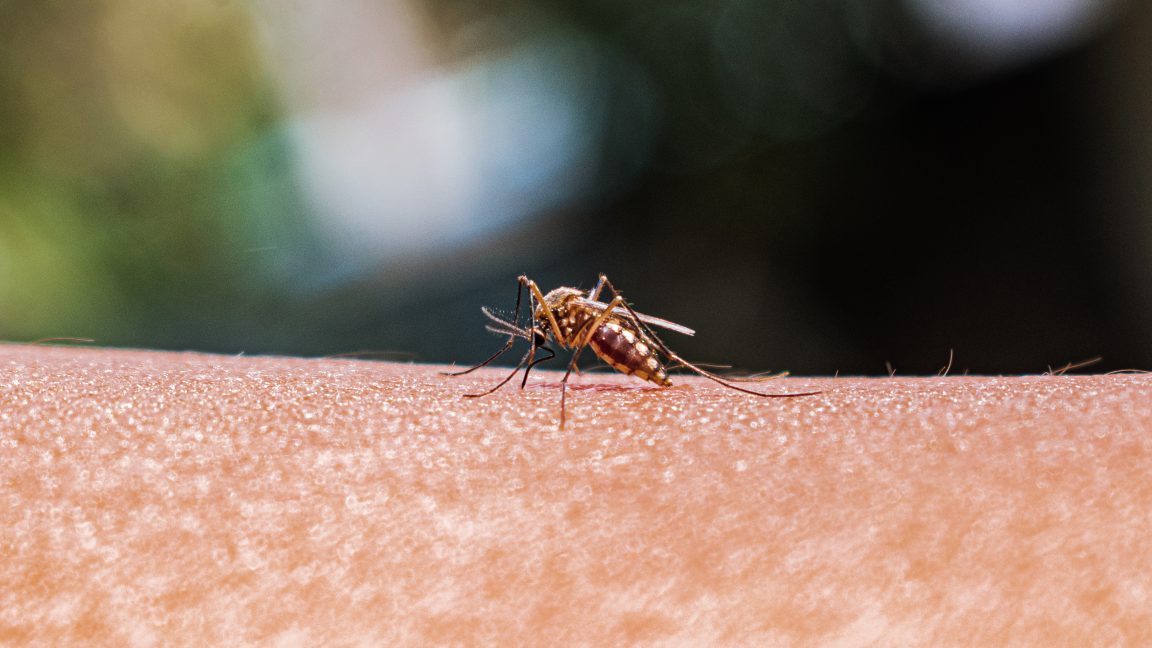
Ars Technica highlights how AI-assisted surveillance can improve the mapping and monitoring of mosquito ranges, enabling public health officials to anticipate and respond to outbreaks with greater precision. The piece underscores that while AI can streamline data collection and analysis, implementation requires careful attention to data quality, local capacity, and cross-jurisdiction collaboration.
From a systems view, the article points to a multi-layered approach: remote sensors provide real-time signals, AI models interpret patterns, and public health teams translate insights into action. Success hinges on integration with existing disease-control programs, privacy protections, and transparent communication with at-risk communities.
Policy implications include funding models for public-health AI infrastructure, governance around data sharing, and the establishment of best practices for privacy and civil liberties. For AI practitioners, the story emphasizes robust data curation, robustness to environmental variability, and rigorous evaluation to prevent spurious alerts or missed signals.
Outlook: The field is likely to see more pilot deployments, expanded datasets, and cross-border collaborations to address vector-borne disease risks with AI-enabled monitoring, surveillance, and response systems.