
Overview
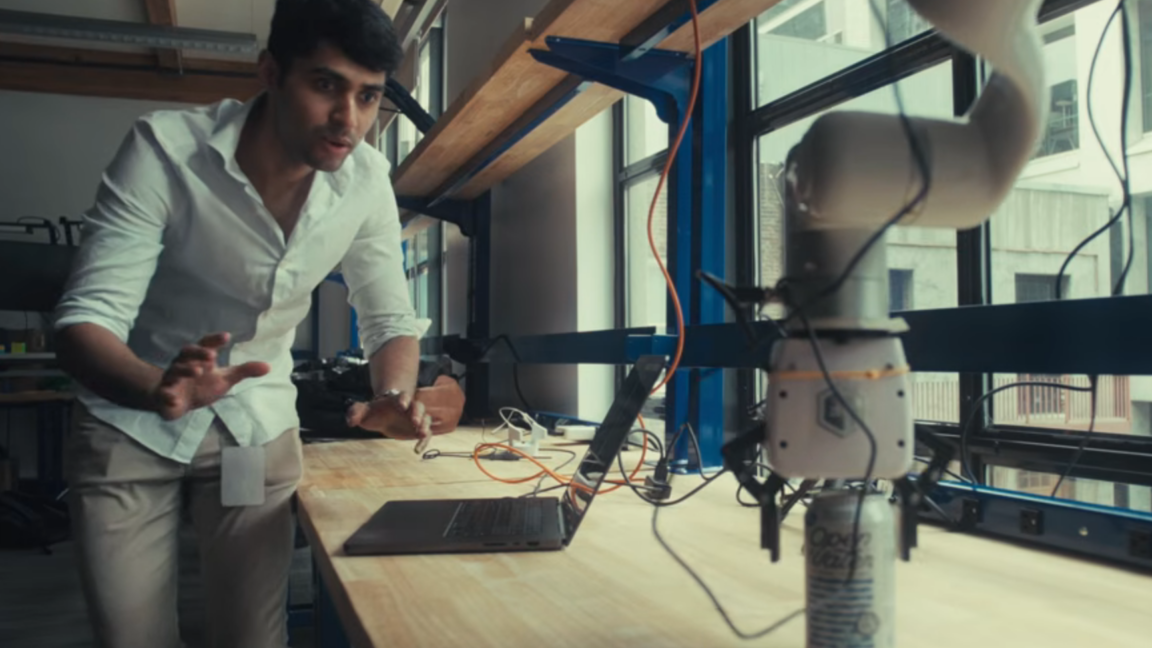
Ars Technica reports that Anthropic is pursuing a new hardware standard designed to standardize how devices expose capabilities to artificial intelligence. The core idea is a standardized driver interface that would let AI systems interact with the physical world and coordinate with other devices. At a high level, the goal is to create a common language between hardware and software so that AI agents can operate across a wider spectrum of devices with fewer integration hurdles.
What the standard promises
- Interoperability across devices and platforms, enabling hardware from different makers to be controlled by AI agents.
- Enabling AI agents to communicate with one another, potentially coordinating complex tasks that span sensors, actuators, and robotic systems.
- Lowering the friction for developers building AI-powered automation and robotics by providing a shared driver framework.
Why this matters for AI agents
The move could expand the practical reach of AI agents into the physical world, from consumer electronics to industrial automation. A unified driver interface might allow AI agents to move more seamlessly from cloud or edge inference into real-world control, reducing the need for bespoke integrations for every new device.
Analysts and developers have long argued that real-world AI utility hinges on reliable, standards-based hardware interfaces; this initiative echoes that sentiment by aiming for a common language that devices and AI can speak.
Potential implications and concerns
As with any standard governing the interface between minds and machines, questions about safety, governance, and accountability surface. A universal bridge between AI agents and hardware could accelerate innovation in automation and robotics, but it also elevates the importance of clear control paths, robust failure handling, and transparent ownership over who commands devices when multiple agents operate concurrently.
What’s next for the ecosystem
The Ars Technica piece situates the standard within broader industry efforts and notes the need for broad adoption by device makers and software platforms. The success of the standard will likely depend on how quickly it can be embraced across the AI, hardware, and cloud ecosystems, including potential involvement from major players and cloud providers. Security considerations, update mechanisms, and governance will be key areas to watch as development progresses.
Bottom line
By aiming to formalize how devices expose capabilities to AI, Anthropic’s hardware standard could help AI agents exert more reliable control over the physical world. If widely adopted, it could reduce integration overheads, enable more coordinated multi-device automation, and push the frontier of practical AI-assisted robotics and automation—while underscoring the ongoing need for safety and governance in increasingly autonomous systems.