
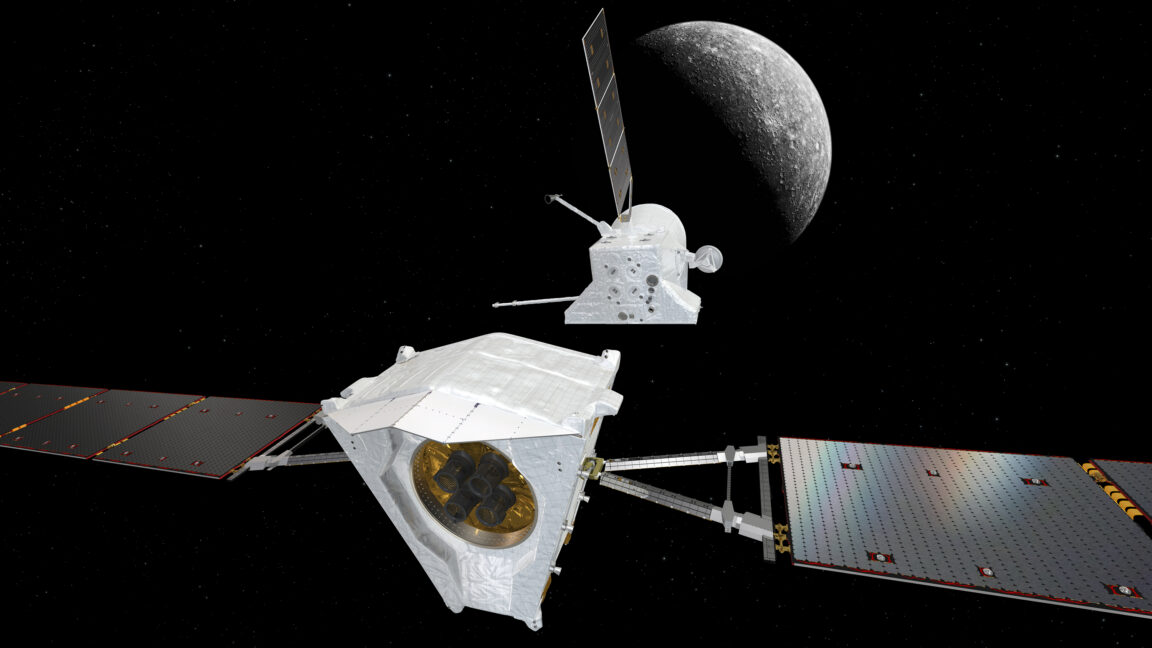
Overview
While not AI-centric, the European space mission BepiColombo’s final approach to Mercury casts a long shadow over AI-driven operational concepts. The collaboration illustrates how complex, mission-critical tasks require robust automation, meticulous data handling, and resilient decision pipelines. Lessons from orbital mechanics and deep-space navigation translate into how we design real-time AI systems for critical domains on Earth: healthcare, energy, defense, and industrial automation. The narrative here is one of cross-pollination—space-tested precision informing enterprise-grade AI reliability and resilience.
From governance to engineering, the article highlights the importance of fail-safe design, redundancy, and transparent telemetry in high‑risk environments. For AI practitioners, it underscores that the most impressive AI feats are often built on a foundation of rigorous systems engineering, comprehensive testing, and clear operational criteria. As AI systems are deployed in more sensitive contexts, the BepiColombo story offers a blueprint for building trust through disciplined engineering and cross-disciplinary collaboration, turning space-grade discipline into a practical model for AI ethics, risk management, and system reliability.
In sum, even when the subject isn’t AI per se, the spaceflight narrative reinforces a core truth for AI developers: successful frontier AI requires not just clever models, but robust, auditable operational ecosystems that can withstand real-world pressures and complex interdependencies.