
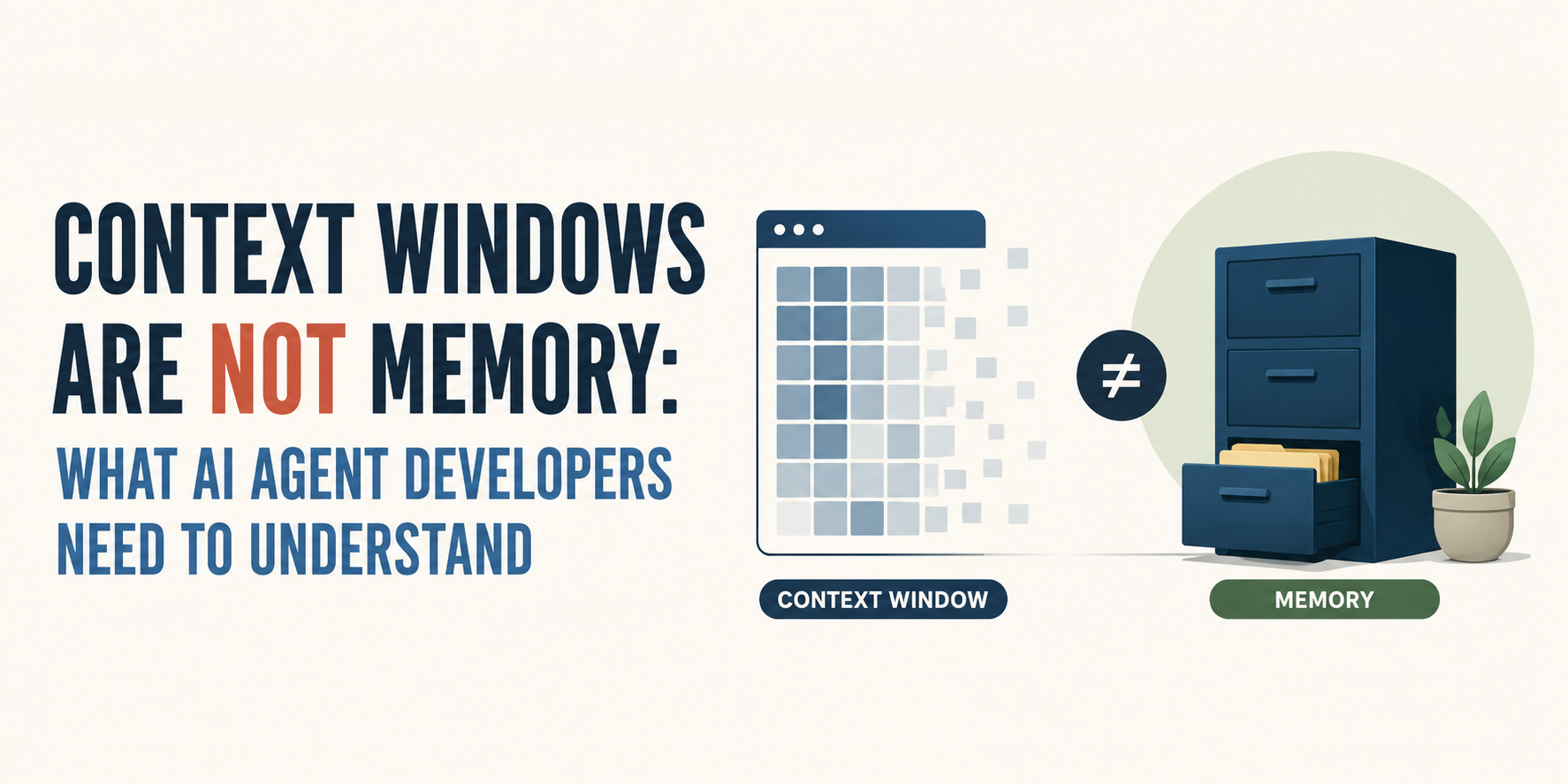
Context Windows vs Memory
A popular notion in agent design is that large context windows act as memory. The author argues that without explicit memory architectures—retrieval mechanisms, summaries, and persistent state—agents can lose continuity and reliability. For developers, this means investing in modular memory layers and robust retrieval pipelines to maintain agent context across tasks. For product teams, it translates into better user experiences where agents remember prior interactions and adapt to evolving user needs. The discussion also touches on evaluation strategies that measure long-term agent consistency and governance controls that prevent drift or unintended actions. The practical upshot is a clear roadmap for building durable, reliable agents in production environments.