
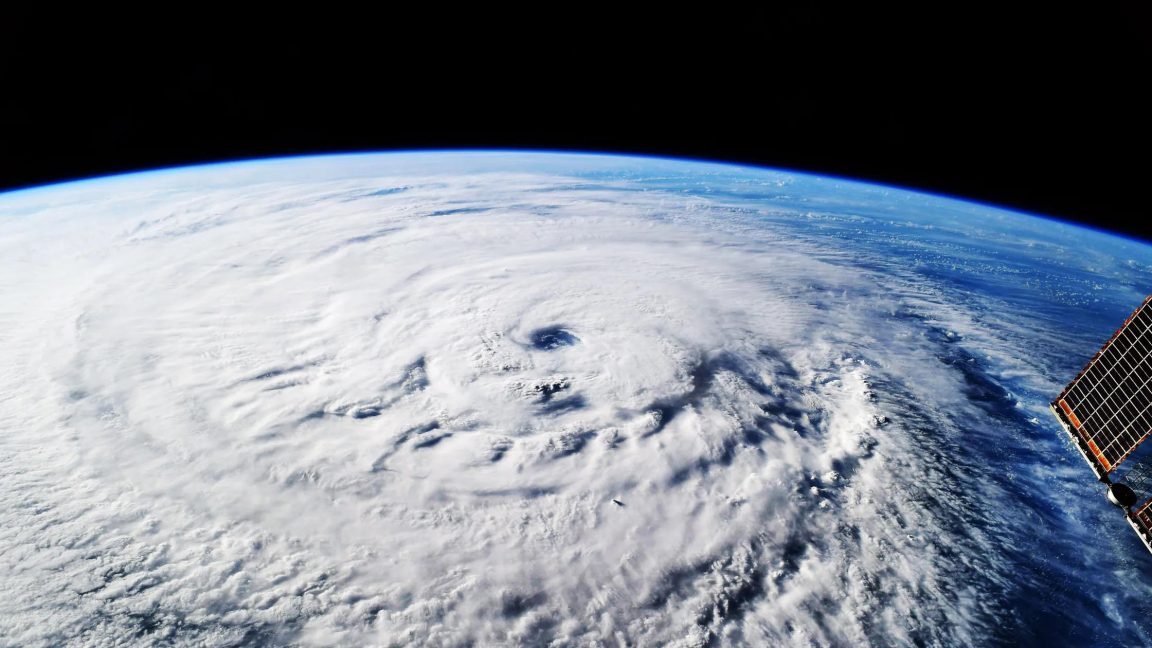
Overview
DeepMind’s hurricane forecasting advance, anchored by WeatherNext, represents a meaningful shift in how AI can model atmospheric dynamics using lower-resolution data without sacrificing predictive power. The open-source nature of WeatherNext invites collaboration from researchers and practitioners, potentially accelerating improvements in forecast accuracy, lead times, and resource efficiency for meteorologists and disaster response teams.
From a technical standpoint, WeatherNext likely employs sophisticated multi-scale modeling and data assimilation techniques that optimize information extraction from sparser data. For operational forecasters, this could translate into more robust estimates during peak hurricane seasons, enabling better early-warning communications and resource allocation. For researchers, the open-source release lowers barriers to experimentation, enabling replication studies, cross-validation, and rapid iteration across institutions with varying datasets and computational capabilities.
Policy and resilience considerations follow naturally. As forecasting accuracy improves, there will be heightened expectations for public-sector agencies to integrate AI-driven insights into warning systems and emergency planning. However, with open models come governance questions: transparency, data provenance, and safeguards against misuse of forecasting tools. Overall, the WeatherNext milestone signals a more AI-enabled forecast ecosystem, with potential benefits for weather resilience and climate adaptation strategies.