
Overview
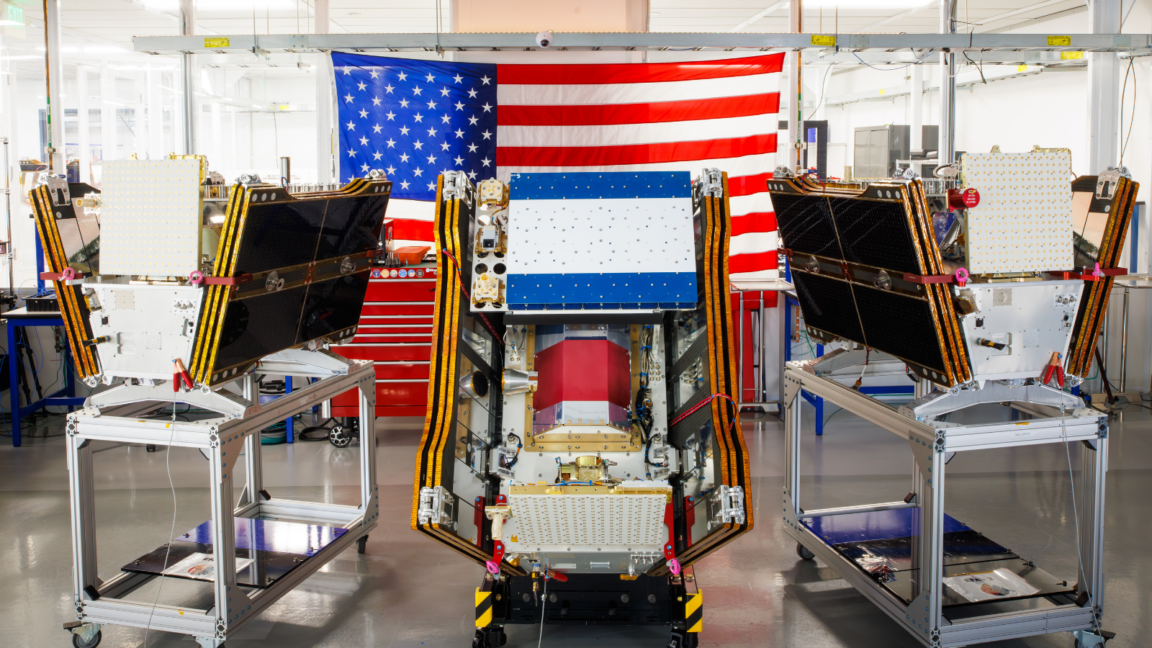
Ars Technica reports on the FireSat program backed by Google that leverages AI-enabled sensors and edge processing to detect wildfires more reliably than traditional satellite feeds. The program aims to close gaps in early detection and improve real-time decision support for firefighting teams across North America.
Key technical challenges include ensuring reliable inference in space-constrained environments, handling noisy sensor data from varying weather conditions, and securely transmitting high-volume telemetry to ground stations. The potential payoff is substantial: earlier detection reduces suppression costs, mitigates property damage, and minimizes ecological disruption. The initiative also invites a broader discussion about the role of AI in climate resilience and the governance needed to ensure responsible use of aerial data—especially in civilian contexts.
From a strategy standpoint, FireSat demonstrates how AI-powered sensing platforms can complement ground-based networks, enabling multi-modal situational awareness. For developers, this underscores the importance of robust model update pipelines, model compression for edge devices, and secure over-the-air updates to keep detectors current as landscapes and weather patterns shift. Regulatory considerations include data privacy, export controls on satellite tech, and the governance of automated decision systems used in public safety contexts.
Industry implications are broad: the FireSat model could be extended to detect other natural disasters and to feed into national emergency response ecosystems. The collaboration between tech platforms, space agencies, and public safety authorities may set a precedent for future AI-enabled environmental monitoring programs, and could catalyze new funding streams for edge AI research and satellite AI chips designed for ultra-low-power operation.
Outlook: Expect continued investments in edge-optimized AI models, emphasis on secure, low-latency satellite communication, and policy discussions around data sovereignty and civilian-use safeguards as AI-driven wildfire surveillance expands beyond experimental pilots.