
Labor, automation, and negotiation dynamics
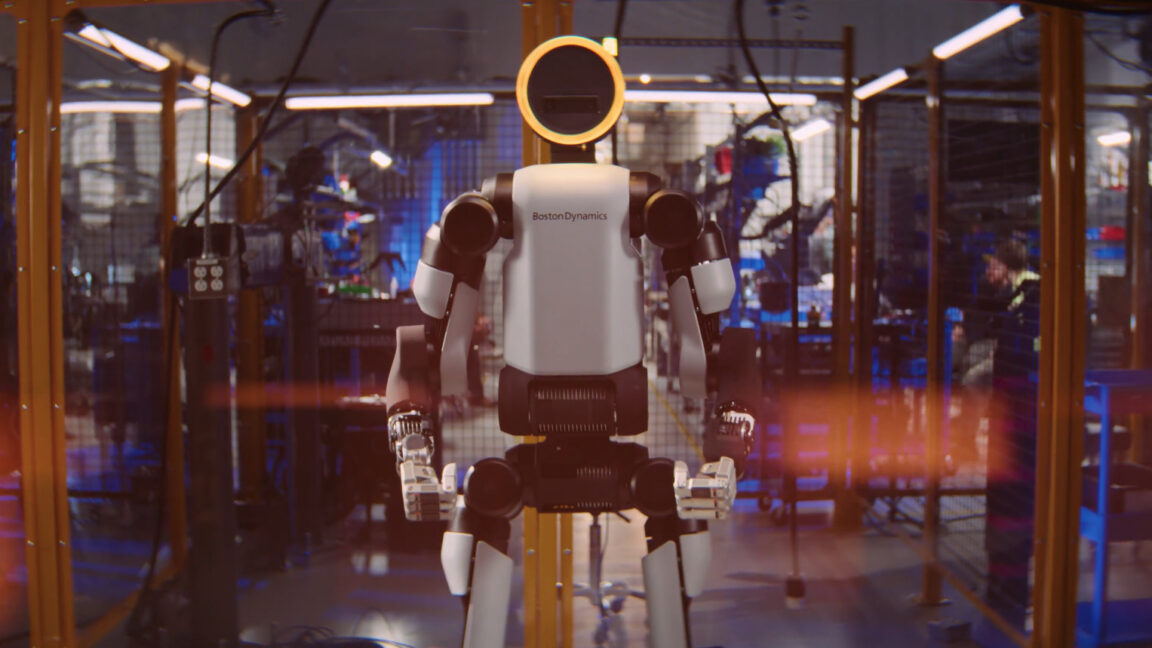
Hyundai’s clarification about humanoid robot plans occurring outside union negotiations spotlights the delicate balance between automation ambitions and worker concerns. The incident underscores how automation programs can become focal points in labor relations, requiring transparent communication, negotiated deploy timelines, and clear impact assessments for workers. While automation can enhance safety and productivity, managers must align automation roadmaps with real workforce transitions, retraining needs, and meaningful pathways for labor to share in the benefits of digital modernization. The takeaway is that automation strategy is as much a governance and people issue as a technology one.
Strategic takeaways
- Manufacturers must embed workforce and union engagement into automation roadmaps to avoid friction and deadlock.
- Transparency about deployment timelines, safety protocols, and retraining programs will be crucial to sustaining industrial AI programs.
- Public perception of automation’s impact on jobs will influence policy debates and corporate strategy for years to come.
Conclusion
Automation is not just a technology rollout; it’s a governance and labor-relationship challenge that requires proactive dialogue with stakeholders to realize the long-term benefits of humanoid automation on the factory floor.