
Overview
According to a report from Ars Technica, South Korea is pursuing a sweeping modernization effort that would see a large portion of its armed forces trained to operate drones. The plan, described as training a half‑million personnel to use drones as a universal combat tool, signals a potential shift in how the country prepares for and conducts warfare in a future dominated by unmanned systems and AI-enabled capabilities.
What the plan envisions
The essence of the report centers on expanding drone literacy and operational proficiency across the military. Rather than relegating drones to specialized units, the initiative appears to position drones as a core toolkit across services. In practical terms, this could mean broader access to drone reconnaissance, targeted strike capability, and potentially autonomous or semi-autonomous mission support, all coordinated through AI-enabled systems and networks.
- Scale of training: A nationwide program aimed at hundreds of thousands of personnel, reflecting a move toward ubiquitous unmanned systems within the force.
- Role of drones: Drones described as a universal combat tool, with potential applications across reconnaissance, target acquisition, and engagement duties.
- Strategic context: The move occurs within a regional security landscape that includes concerns about North Korea and broader geopolitical dynamics that touch Europe and the ongoing discourse around AI-enabled warfare.
- Operational challenges: Implementing such a program would require sustained training pipelines, maintenance of drone fleets, cyber resilience, and robust safety and oversight mechanisms to manage autonomous or semi-autonomous operations.
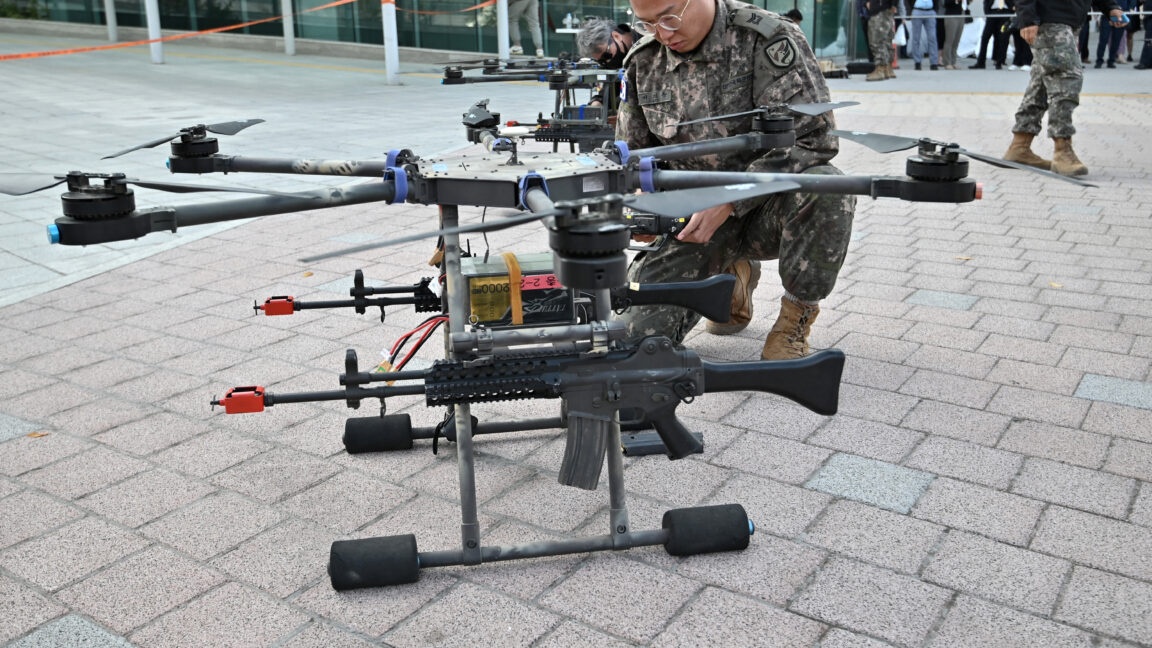
Ars Technica reports plans to train the entire military on drone operations, highlighting the central role drones could play in future warfare.
Implications and considerations
The breadth of this initiative suggests a strategic reorientation toward unmanned systems as a foundational element of defense doctrine. If realized, the program could influence force structure, interoperability with allies, and the pace at which AI-enabled systems are integrated into mission planning. Analysts will likely watch for how the training curriculum balances human oversight with automated capabilities, ensuring that personnel maintain meaningful control where it matters most and that ethical and legal considerations are addressed in practice.
What to watch next
- Timelines and milestones for the training rollout, including regional implementation and service-by-service adoption.
- Procurement, maintenance, and resilience of drone fleets, together with the cybersecurity posture of the associated control networks.
- International and regional reactions, policy discussions, and potential collaborations or restrictions related to drone warfare and AI-enabled operations.
- Evaluation metrics for the program, including readiness levels, mission success rates, and safeguards for deconfliction in joint operations.
In a security environment shaped by rapid advances in AI and unmanned systems, South Korea’s drone-warrior concept underscores a broader perception that future combat will increasingly hinge on unmanned platforms layered with advanced autonomy and AI-enabled decision-making. The coming months should reveal how the plan evolves from concept to concrete training policy, and how it is perceived by regional neighbors and international partners.