
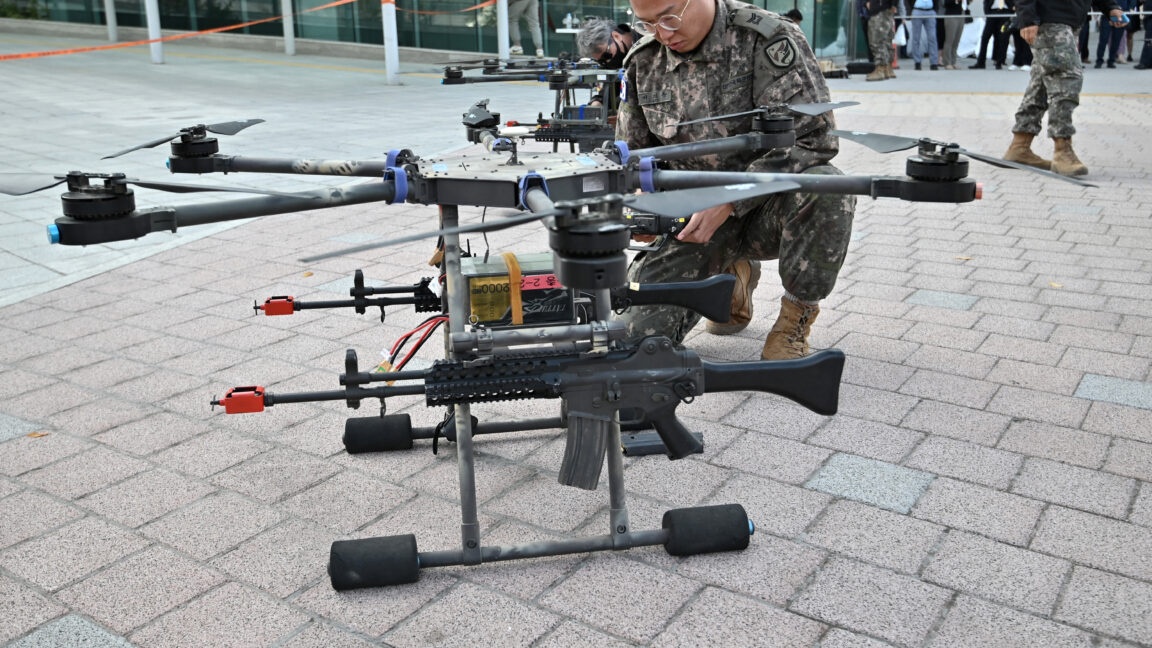
Drone-centric defense and AI-enabled warfare
South Korea’s plans to train a half-million-strong force of drone operators and warriors reflect a strategic shift toward AI-enabled defense systems. The initiative highlights how AI is increasingly integral to autonomous weapons, surveillance, and tactical decision-making, raising important questions about ethics, international norms, and strategic risk. As with many AI-enabled defense programs, the emphasis is on rapid capability development, robust training pipelines, and the building of a resilient AI-enabled ecosystem within the military domain.
The broader implications for the civilian tech sector include increased demand for AI-driven edge devices, secure communications, and autonomous system safety. This coverage also underscores the intersection of AI with national security, where policy, governance, and international diplomacy become as critical as technical prowess. For researchers and industry players, the story is a reminder that AI capabilities will increasingly be evaluated through the lens of security, ethics, and geopolitical considerations.
In short,South Korea’s drone warrior initiative signals a future where AI augments defense readiness and operational efficiency, while policymakers must navigate the complex landscape of safety, accountability, and international norms.
Key implications: AI-enabled defense accelerates; ethics and governance become central to policy discussions; civilian technology ecosystems will feel ripple effects in safety and security markets.