
AI in Spaceflight: SpaceX's Tower Catch and the Next Starship Flight
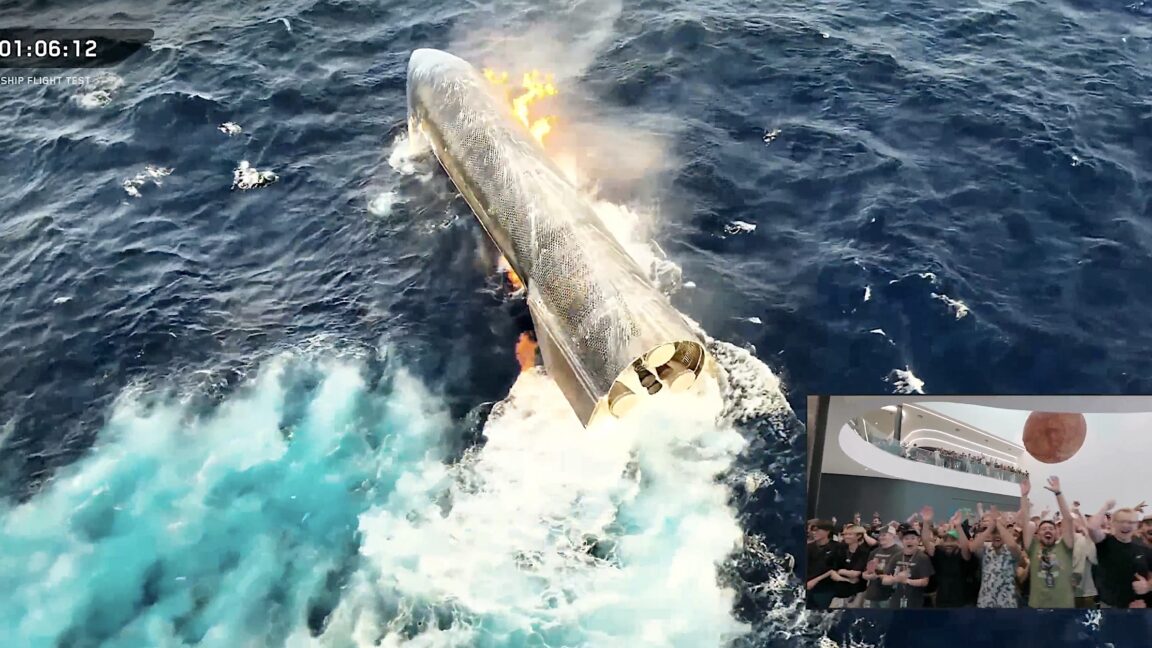
In a move that keeps SpaceX's Starship program in the spotlight, Ars Technica reports that the company eyes a tower catch at the launch pad for its next Starship flight after the auspicious end to the 13th mission. While the core story is about rocketry and recovery, the piece also invites reflection on how AI-enabled autonomy could influence precision, safety, and decision-making in such high-stakes operations.
As Starship returns from space, the recovery sequence demands exacting choreography among booster, ship, and the ground crew. In this context, artificial intelligence and autonomous sensing are increasingly discussed as accelerants for readiness, risk assessment, and rapid response—all without replacing the essential oversight that keeps humans in the loop where necessary.
AI-driven sensing, fusion of telemetry, and rapid planning could help teams navigate the tight margins of a tower-based capture, potentially reducing the time from touchdown to secured recovery.
The upcoming mission illustrates a frontier where flight control, ground operations, and AI-enabled automation converge. Here are some AI-relevant angles that observers might watch as SpaceX proceeds:
- Sensor fusion and anomaly detection: Real-time AI processing can interpret data from cameras, lidar, radar, and telemetry to confirm a stable approach and flag deviations before a drift becomes a problem.
- Simulation-based planning: AI-powered models could explore thousands of scenario variations—weather, illumination, tug timing, and pad interactions—to optimize the capture sequence before it happens.
- Autonomous docking and control loops: Short latency decision systems may assist operators by proposing corrective actions during the capture window, while keeping humans ready to approve or override.
- Safety and risk management: Data-driven risk scoring could help the team allocate resources and decide when to proceed or pause, particularly if telemetry indicates unusual loads or unexpected gusts.
- Data-driven operations optimization: Post-flight analyses powered by AI could feed back into pad routines, maintenance planning, and training simulations for future recoveries.
Whether SpaceX ultimately opts for a tower catch on the next Starship flight or pursues alternatives, the episode speaks to a broader trend: as rockets become more capable and operations more automated, AI is poised to be a critical enabler in the choreography of launch, landing, and recovery. The 13th flight’s close serves as a datapoint in a longer arc where autonomy and human judgment collaborate to push the boundaries of commercial space activity at Starbase and beyond.