
Overview
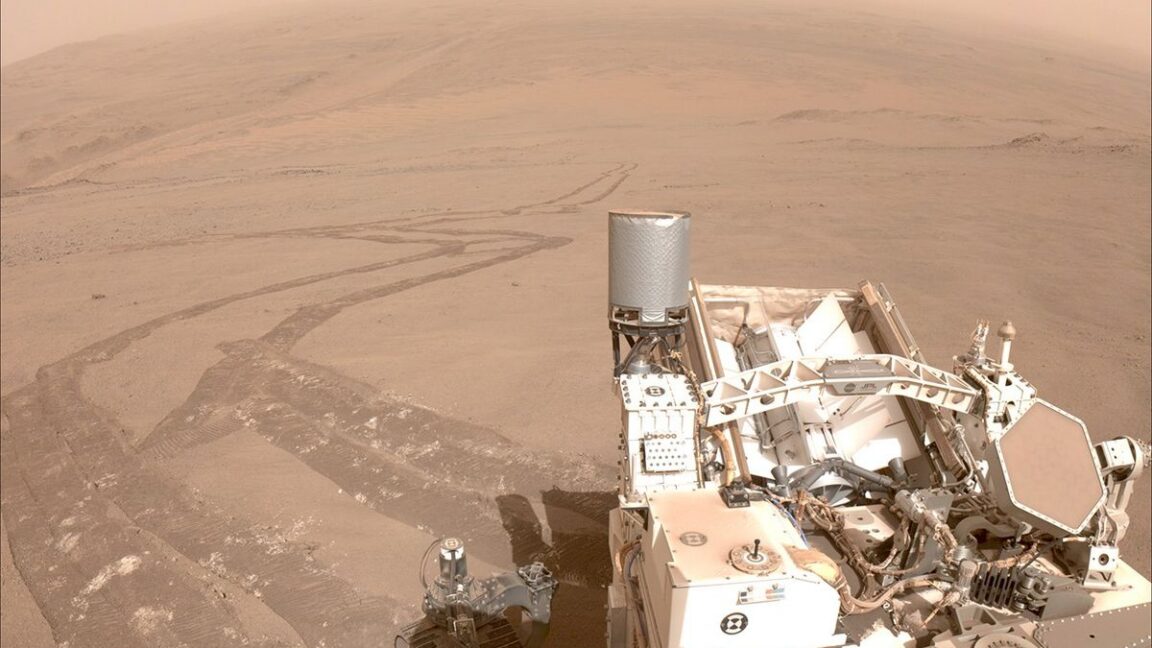
The Ars Technica report on Perseverance’s autonomous driving marks a milestone in AI-enabled space exploration. The 90 percent autonomy figure underscores significant progress in perception, planning, and control systems, with implications for downstream robotics on Earth—from mining to disaster response—where similar autonomy architectures could reduce human risk and improve throughput.
Technically, this achievement tests the integration of onboard AI with spacecraft-grade perception sensors, path planning, and robust control loops under extreme conditions. Practically, it raises questions about mission design: how much autonomy should spacecraft retain, what remains best handled by ground control, and how to maintain safety and reliability with limited real-time human oversight. The successful Mars trial may also influence future mission concepts, encouraging more complex tasks to be delegated to autonomous agents and smaller, more agile rovers capable of rapid on-site decision making.
As we translate these lessons to Earth applications, the opportunity set broadens: autonomous systems can operate in hazardous or remote environments with reduced risk to human operators. Yet, the challenge remains to ensure these systems behave predictably, explain their decisions, and remain auditable in critical scenarios. The Mars demonstration is a bold signal that AI-enabled autonomy can extend beyond data centers and labs into space and planetary exploration, potentially shaping the next era of robotics research and space policy.