
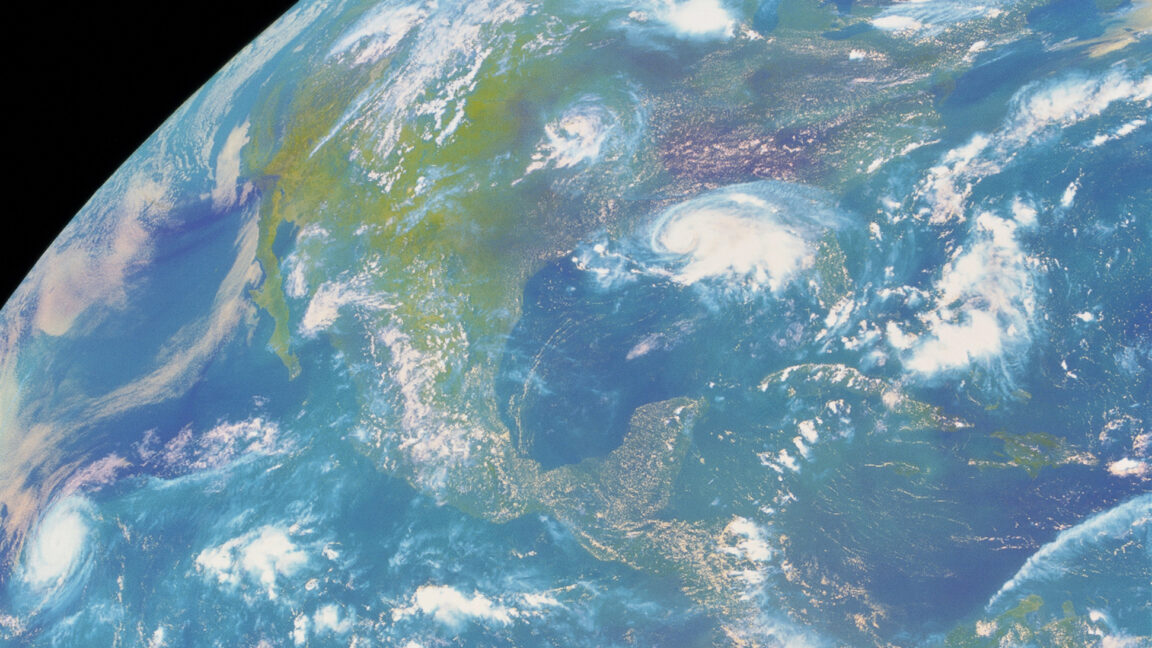
Forecasting with AI: WeatherNext and the data deluge
From a research perspective, this development underscores the importance of collaboration between atmospheric science and AI. It also raises practical questions about data quality, model interpretability, and the need for standardized evaluation benchmarks that allow operators to compare AI-based forecasts against traditional physics-driven models. The deployment path will require careful validation, seamless integration with existing forecasting pipelines, and ongoing monitoring to prevent model drift as satellite capabilities evolve.
In the broader AI ecosystem, WeatherNext 3 signals a shift toward more domain-specific AI services—where machine learning tools are fine-tuned not only for generic intelligence but for specialized tasks with real-world operational impact. If Google’s approach scales, it could pave the way for AI-powered decision support in sectors from energy to agriculture, where timely and accurate data-driven insights can translate into tangible outcomes for millions of people.
Takeaway: AI-based weather prediction is entering a new era of accuracy and practical deployment, with WeatherNext 3 offering a glimpse of how atmospheric science and AI can work together to power critical infrastructure decisions.