
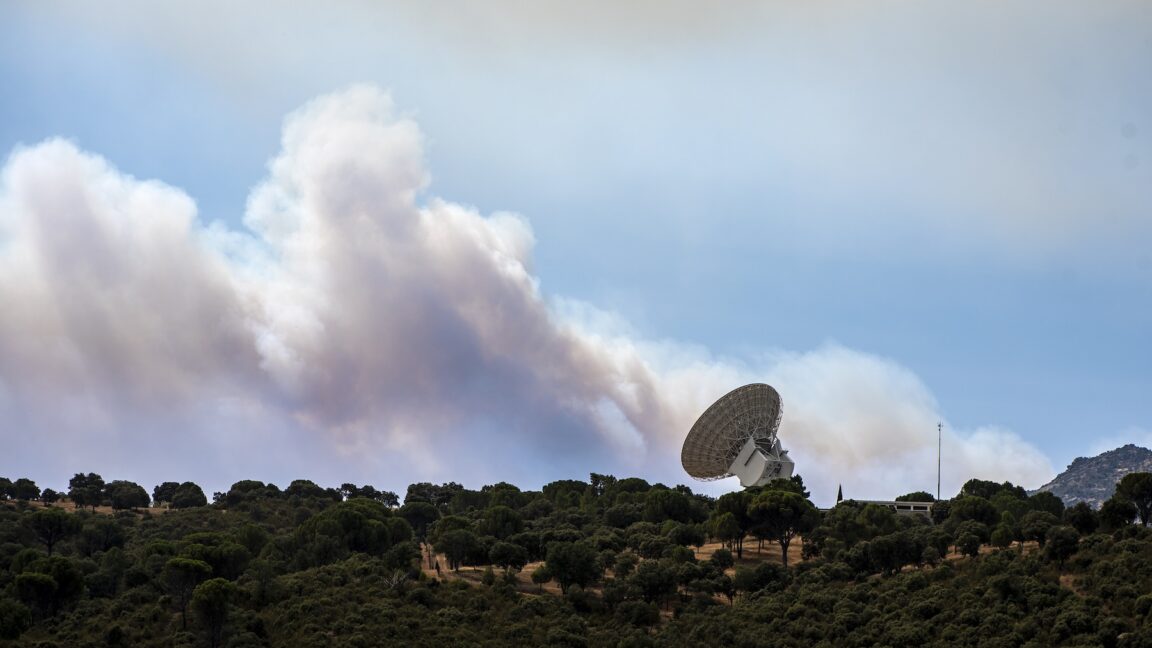
Wildfire disrupts NASA's Deep Space Network complex in Spain
In a rare intersection of natural disaster and space infrastructure, a wildfire in Spain prompted the evacuation of NASA's Deep Space Network complex, according to Ars Technica. The incident highlights both the vulnerability and the resilience of critical communications assets that support interplanetary missions.
The reported events center on the DSN site in Spain, a key hub used to communicate with spacecraft over vast distances. While authorities have not confirmed specific damage, officials indicated that operations are suspended until it is safe to return personnel and allow for an assessment of any potential impact. The situation remains dynamic as firefighting efforts continue nearby.
Any potential damage will be assessed when it is safe to do so.
From an AI perspective, the episode illustrates how modern risk monitoring could assist decisions about when to evacuate facilities and how to allocate resources during wildfires. In the future, data streams from satellite imagery, weather sensors, and predictive models could be used to flag risk zones around space infrastructure and to simulate the effects of different containment strategies. Such systems could also support rapid, data-driven decisions about when a site should resume operations or switch to backup networks.
For space communications, the temporary loss of a DSN node can ripple through mission timelines, especially for critical contact windows and coordination with ongoing projects. Operators may rely on redundant networks or reallocate ground station resources to minimize downtime. The incident underscores the importance of redundancy, remote diagnostics, and swift safety protocols so that science and exploration can resume with minimal delay once the area is deemed safe.
Authorities have not yet issued a formal timeline for return or a full damage assessment. Analysts will be watching for updates on the restoration of services and any potential impact on ongoing missions as fire conditions evolve and responders secure the site.
Implications for the future
- Resilience: The event underscores the need for robust, redundant ground networks capable of withstanding regional disruptions.
- Coordination: Clear communication between fire authorities, facility operators, and mission teams is essential during crises.
- Technology: AI and data analytics can play a growing role in real-time risk monitoring and decision support for critical infrastructure.
As space agencies continue to rely on globally distributed ground networks, integrating advanced risk assessment tools could help mitigate the impact of environmental incidents. While this particular event is unfolding in Spain, the lessons learned may inform safety protocols and continuity plans for DSN facilities around the world.